
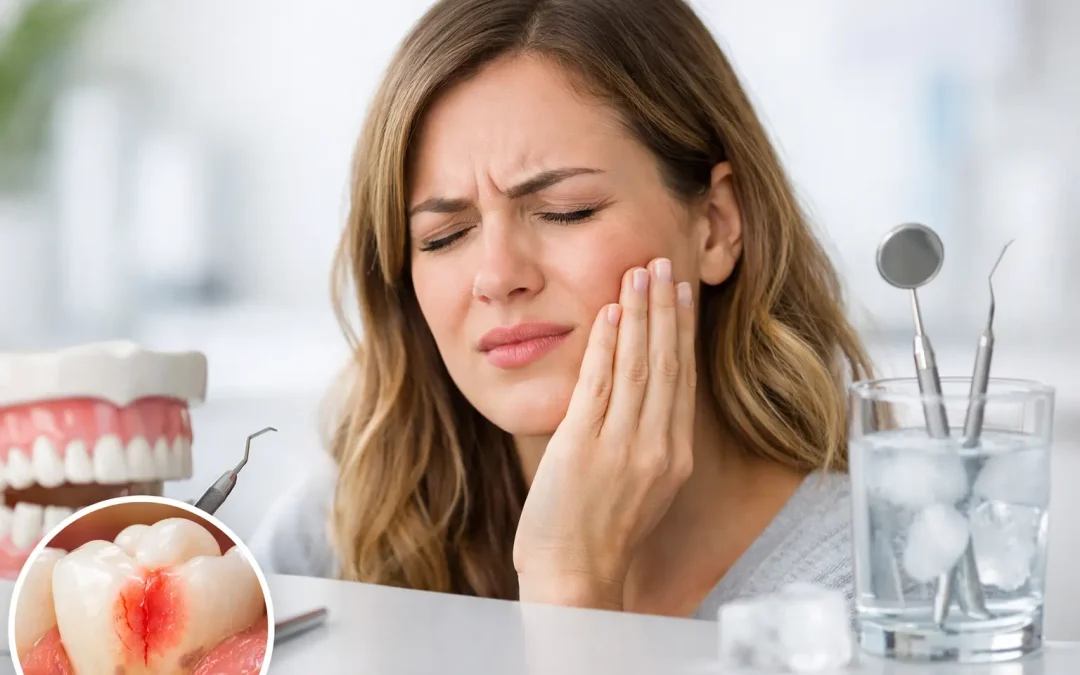
That sharp zing from an ice-cold drink, a spoonful of soup, or even a breath of cold air can make you stop mid-bite. If you are asking, “why is my tooth sensitive,” the answer may be something simple and treatable, but it is still worth paying attention to. Sensitivity is your tooth’s way of signaling that its protective outer layers, gums, or inner nerve may be under stress.
Some sensitivity settles with small changes to your routine. Other cases point to decay, a crack, gum disease, or an infection that needs dental treatment. The pattern of pain – what triggers it, how long it lasts, and whether it affects one tooth or several – gives useful clues.
Why Is My Tooth Sensitive to Hot, Cold, or Sweet Foods?
A healthy tooth is covered by hard enamel above the gumline and cementum along the root. Beneath both sits dentin, a more porous layer containing tiny channels that lead toward the tooth’s nerve. When enamel wears down or gums recede, hot, cold, sweet, acidic, or even touch-related triggers can reach those channels and create a quick, sharp sensation.
Worn enamel
Acidic drinks, frequent snacking, reflux, and vigorous brushing can gradually wear away enamel. This does not always mean you have done something wrong. Enamel erosion often develops slowly, especially when several small factors are present.
Brushing harder is not the answer. Use a soft-bristled toothbrush with gentle, small circular motions, and wait around 30 minutes to brush after acidic food or drinks. Brushing immediately after acid exposure can increase wear while enamel is temporarily softened.
Receding gums
Gums can pull back because of gum disease, naturally thin gum tissue, brushing too hard, tooth movement, or clenching. When this happens, the root surface becomes exposed. Roots do not have the same thick enamel protection as the visible part of the tooth, so they can be especially sensitive.
You may also notice that a tooth looks longer than it used to, or that sensitivity occurs near the gumline. A dentist can check whether recession is stable and discuss ways to protect the area.
Cavities and leaking fillings
Tooth decay can cause sensitivity when it creates a weak spot in enamel and progresses toward dentin. A worn, chipped, or leaking filling can do the same. Early cavities may not hurt at all, while a deeper cavity may cause pain with sweets, cold drinks, or pressure when chewing.
This is one reason not to rely on pain alone to judge your dental health. Regular examinations can identify small concerns before they become more uncomfortable and costly to treat.
A cracked tooth
A crack can be difficult to see and may not cause constant pain. Instead, you might feel a sudden sharp pain when releasing your bite after chewing, or sensitivity that comes and goes with hot and cold foods. Clenching, grinding, biting hard foods, and older large fillings can all increase the risk.
A cracked tooth does not always need the same treatment. A small surface crack may simply need monitoring, while a deeper crack may require a filling, crown, or root canal treatment to protect the tooth. Prompt assessment gives the tooth the best chance of being saved.
Teeth grinding and clenching
Many people clench or grind their teeth during sleep or while concentrating, driving, or feeling stressed. The pressure can wear enamel, aggravate small cracks, and strain the tooth’s supporting tissues. Morning jaw tension, headaches, flattened tooth edges, or sensitivity in several teeth can be signs.
A custom night guard may help protect your teeth if grinding is the cause. It should be professionally assessed rather than guessed, because the best solution depends on your bite, jaw symptoms, and the condition of your teeth.
Recent whitening or dental treatment
Temporary sensitivity is common after whitening, especially with stronger products or frequent use. It can also occur after a professional cleaning, a new filling, or other dental procedures. In many cases it improves over a few days, but tell your dentist if it is severe, worsening, or lasting longer than expected.
Whitening is not a good idea if you have untreated decay, exposed roots, or a cracked tooth. Addressing the underlying cause first helps make cosmetic treatment more comfortable and predictable.
What the Type of Tooth Sensitivity Can Tell You
Sensitivity that lasts only a second or two after a cold drink often relates to exposed dentin. It can still be uncomfortable, but it is usually different from a lingering ache. Pain that continues for 30 seconds or more after heat or cold may mean the nerve inside the tooth is inflamed and needs prompt attention.
Pain when biting may suggest a crack, a loose or damaged restoration, or inflammation around the root. Throbbing pain, facial swelling, a bad taste, fever, or a pimple-like bump on the gums can indicate an infection. These symptoms should not be managed with home remedies alone.
If one specific tooth suddenly becomes sensitive while the rest feel normal, schedule a dental visit. General sensitivity across multiple teeth can relate to enamel wear, gum recession, whitening, or brushing habits, but a focused problem deserves a closer look.
Gentle Steps You Can Take at Home
While waiting for an appointment, use a toothpaste made for sensitive teeth twice daily. These toothpastes can help block the pathways that transmit sensations through dentin, but they generally need consistent use for one to two weeks before you notice a difference. Spit after brushing rather than rinsing thoroughly so the active ingredients can stay on the teeth longer.
Choose a soft toothbrush and a fluoride toothpaste, and avoid scrubbing back and forth at the gumline. Limit highly acidic drinks such as soda, sports drinks, and citrus beverages, particularly when sipped over long periods. Drinking water afterward can help rinse away acids.
For a few days, avoid extremes of temperature on the sensitive side and do not chew ice, hard candy, or other very hard foods. If you know you clench your teeth, try to notice daytime habits: at rest, your lips can be together, but your teeth should not be touching.
Do not place aspirin directly on a sore tooth or gum. It will not treat the source of pain and can burn the soft tissue. Over-the-counter pain medication may provide temporary relief when used according to the label and your medical advice, but it should not delay care for persistent or severe symptoms.
When to Arrange a Dental Visit
Make an appointment if sensitivity lasts more than a few days, keeps returning, disrupts eating or sleep, or occurs in one particular tooth. A dental examination may include checking your gums and bite, testing the tooth’s response, and taking X-rays where needed. The goal is to find the cause, not simply mask the discomfort.
Treatment can be quite straightforward. Depending on what is found, options may include fluoride treatment or desensitizing products, a filling, replacement of an old restoration, treatment for gum disease, a protective crown, a night guard, or root canal treatment. Your dentist should explain what they see, why a treatment is recommended, and what alternatives may be appropriate for you.
Seek urgent dental care for swelling in the face or gums, fever, difficulty swallowing or breathing, uncontrolled bleeding, or severe pain. These signs can indicate a spreading infection and need timely assessment.
Tooth sensitivity is common, but you do not have to simply put up with it. A calm, early conversation with a dental team such as Bulleen Dental can turn a painful mystery into a clear plan for protecting your smile and enjoying everyday food and drinks again.