
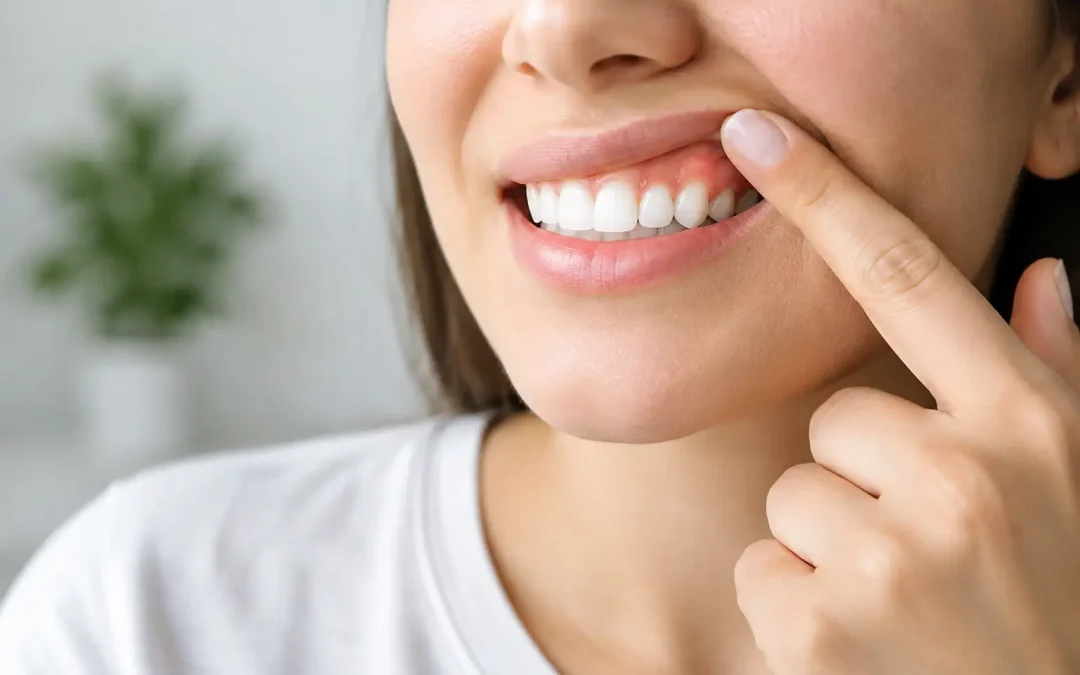
A tooth that suddenly looks longer than the teeth beside it can be unsettling. Sensitivity when you drink something cold, a small notch near the gumline, or a change in your smile may raise the same question: can gums recede? Yes. Gum recession is common, but it is not something to ignore or simply accept as a normal part of getting older.
When gums recede, the tissue around the tooth pulls back or is lost, exposing more of the tooth root. The exposed root is softer than enamel and does not have the same protection against temperature, decay, or wear. The good news is that early assessment and the right care can often slow or stop further recession, protect the teeth, and improve comfort.
What does gum recession look and feel like?
Gum recession can develop gradually, so many people do not notice it right away. You may see that one tooth looks longer, that the gumline is uneven, or that small gaps have appeared between the teeth. Sometimes the first sign is not visible at all. It is a sharp twinge from cold water, brushing, sweet foods, or even breathing in cool air.
Other possible signs include tenderness along the gumline, bleeding when brushing or flossing, bad breath that persists, or teeth that feel loose or have shifted position. Recession itself does not always hurt, which is one reason regular dental visits are useful. A dental team can measure the gums and compare changes over time before a small concern becomes a more involved problem.
Why can gums recede?
There is rarely one single cause. Gum recession is often the result of several factors working together, and the best treatment depends on what is driving it.
Gum disease
The most significant cause is periodontal, or gum, disease. Plaque that is not removed thoroughly can harden into tartar, triggering inflammation and infection around the gums. Over time, this can damage the gum tissue and the bone that holds teeth in place. Bleeding gums are not something to brush off as normal. They are often an early warning that the gums need professional attention.
Brushing too hard or using the wrong technique
Brushing with too much pressure, especially with a hard-bristled brush, can wear away the gumline and tooth surface. Clean teeth should not require aggressive scrubbing. A soft-bristled toothbrush, gentle circular motions, and a fluoride toothpaste are usually the better approach. An electric toothbrush with a pressure sensor can also help people who tend to brush forcefully.
Tooth position, bite pressure, and grinding
Teeth that sit outside the natural curve of the jaw may have thinner gum tissue around them. A heavy bite, clenching, or nighttime grinding can add pressure and contribute to recession or notches near the gumline. Orthodontic treatment can be helpful in selected cases, but it depends on the tooth position, gum thickness, and overall health of the supporting bone.
Tobacco use, oral jewelry, and other irritation
Smoking and other tobacco use increase the risk of gum disease and can make healing less predictable. Lip or tongue piercings may repeatedly rub against gum tissue, particularly around the lower front teeth. Even habits such as holding objects between the teeth or picking at the gums can cause ongoing irritation.
Natural anatomy and life changes
Some people naturally have thin gum tissue or are more prone to recession because of genetics. Hormonal changes can also affect gum health. This does not mean recession is unavoidable, but it does mean a personalized prevention plan matters more than a one-size-fits-all routine.
Can receding gums grow back on their own?
Lost gum tissue does not usually grow back on its own. That is a difficult answer to hear, but it helps set realistic expectations. Home care can reduce inflammation and prevent further loss, yet it cannot reliably replace gum tissue that has already receded.
Professional treatment may improve the health, appearance, and protection of the area. In some cases, a dentist may recommend monitoring the recession, treating gum disease, adjusting brushing habits, managing grinding, or using desensitizing products. When recession is more advanced, a gum graft performed by a periodontal specialist may be considered. This procedure adds tissue to cover or protect an exposed root, although full coverage is not possible in every case.
The right choice depends on the cause, the amount of exposed root, sensitivity, risk of decay, and how the area looks in your smile. A small, stable area of recession may only need regular review. Recession that is progressing, painful, or linked to gum disease deserves more timely care.
Treatment options for receding gums
A thorough examination is the starting point. Your dentist will look at the gums, check for plaque and tartar, measure periodontal pockets, assess tooth movement and bite forces, and may take X-rays to evaluate the bone around the teeth. This gives a clearer picture than judging the gumline in a mirror.
If inflammation or gum disease is present, professional cleaning may be enough for mild cases. More advanced disease may need deep cleaning below the gumline, often called scaling and root planing. This removes bacterial buildup from areas a toothbrush cannot reach and gives the gums a chance to heal.
For sensitive exposed roots, fluoride varnish, desensitizing toothpaste, or a tooth-colored protective restoration may help. A small filling can cover a worn area near the gumline, but it does not treat the underlying reason for recession. If grinding is contributing, a custom night guard may reduce damaging forces. When gum tissue is too thin or recession is severe, referral for gum grafting can provide longer-term protection.
Treatment is not only about making a gumline look more even. It is about protecting the roots, reducing sensitivity, preserving the bone that supports teeth, and making daily cleaning easier.
Daily habits that protect your gumline
Gentle, consistent care makes a real difference. Brush twice a day with a soft brush and use light pressure, angling the bristles toward the gumline rather than sawing back and forth. Clean between the teeth daily with floss, interdental brushes, or another option recommended for the spaces between your teeth.
If your gums bleed when you begin flossing consistently, do not stop immediately. Bleeding often reflects inflammation from plaque buildup, and careful daily cleaning can improve it. However, bleeding that continues beyond a week or two, becomes heavy, or comes with swelling should be checked by a dentist.
Avoid whitening or abrasive toothpastes if you have exposed roots and sensitivity, unless your dental professional recommends them. These products can be useful for some smiles but may feel harsh on vulnerable areas. A sensitivity toothpaste with fluoride is often a more comfortable everyday choice.
Regular checkups and cleanings are just as valuable when nothing hurts. Gum disease and recession can progress quietly, and early treatment is typically simpler, more comfortable, and less costly than waiting for mobility, infection, or significant root exposure.
When should you book a dental visit?
Arrange an appointment if you notice a tooth looking longer, persistent sensitivity, bleeding gums, swelling, bad breath, loose teeth, or a changing bite. Seek prompt care for pus, severe pain, facial swelling, or a tooth that suddenly feels loose. Those symptoms can point to infection or advanced gum problems that should not wait.
If dental visits make you anxious, let the team know before your appointment. Gentle, patient-centered care starts with understanding what makes treatment difficult for you. At Bulleen Dental, the focus is on explaining what is happening, discussing practical options, and helping you move at a pace that feels manageable.
Your gums are part of the foundation of your smile. Paying attention to small changes now gives you the best chance of keeping your teeth comfortable, healthy, and easier to care for in the years ahead.