
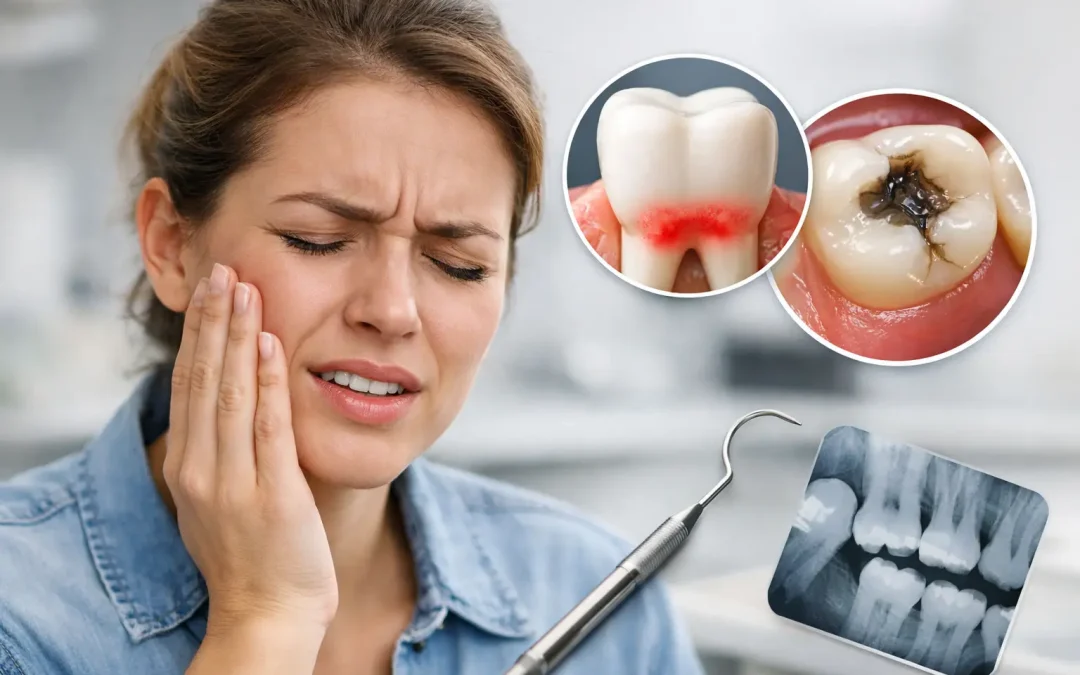
That sharp twinge when you sip coffee, the ache that shows up at bedtime, or the soreness that seems to come out of nowhere can all lead to the same question: why does my tooth hurt? Tooth pain is common, but the cause is not always obvious. Sometimes it is a simple issue like sensitivity. Other times, it points to decay, infection, gum problems, or a crack that needs prompt care.
The tricky part is that teeth can be deceptive. Pain may feel like it is coming from one tooth when the real problem is nearby, under the gum, or even in the sinus area. That is why the best next step is not guessing. It is paying attention to the type of pain, how long it lasts, and what seems to trigger it.
Why does my tooth hurt all of a sudden?
Sudden tooth pain often happens when the inner part of the tooth becomes irritated. Under the hard enamel and dentin is the pulp, which contains nerves and blood vessels. If that area is inflamed, even mild pressure or temperature changes can feel intense.
One of the most common reasons is a cavity. Tooth decay can start small and stay painless for a while. But once it gets deeper, it can cause sensitivity to sweets, hot drinks, cold air, or biting pressure. If the decay reaches the nerve, the pain may become constant or throbbing.
A cracked tooth can also cause sudden pain. This may happen after biting something hard, grinding your teeth at night, or from wear over time. Cracks are not always visible in the mirror, and they do not always hurt all the time. Often the pain comes and goes, especially when chewing.
Fillings can play a role too. A very high filling can make a tooth feel sore when you bite. An older filling that has leaked or broken down may leave part of the tooth exposed. In both cases, the tooth can become sensitive or painful without much warning.
Common causes of tooth pain
Tooth pain is really a symptom, not a diagnosis. The underlying cause can vary quite a bit, which is why one person may need a small filling while another needs more involved care.
Cavities and tooth decay
Decay is one of the leading reasons teeth hurt. Bacteria in plaque feed on sugars and produce acids that weaken enamel. Early decay may not cause pain at all, but once it moves deeper, symptoms often begin. You might notice sensitivity, a dull ache, or food getting trapped in one spot.
Tooth infection or abscess
If bacteria reach the pulp, the tooth can become infected. This type of pain is often stronger and more persistent. Some people describe it as throbbing, pulsing, or radiating into the jaw. Swelling, a bad taste in the mouth, or pain that keeps you awake can all point to infection. This is not something to wait out.
Gum disease
Not all dental pain comes from the tooth itself. Inflamed or infected gums can make teeth feel tender, loose, or sore. If your gums bleed when brushing, look swollen, or are pulling away from the teeth, gum disease may be part of the problem.
Tooth sensitivity
Sensitivity is usually a short, sharp pain triggered by cold, heat, sweets, or even brushing. It can happen when enamel wears down or when gums recede and expose the root surface. Whitening products, aggressive brushing, and acidic foods can make it worse.
Grinding and clenching
Many people clench or grind without realizing it, especially during sleep or stressful periods. This can strain teeth, wear enamel, and irritate the supporting tissues around the teeth. The result may be morning jaw soreness, headaches, or teeth that feel tender when chewing.
Wisdom teeth
If wisdom teeth are coming in at an angle, partly trapped under the gum, or crowding nearby teeth, they can cause pain in the back of the mouth. The discomfort may also come with swelling or difficulty opening your mouth fully.
Sinus pressure
Upper back teeth sit close to the sinus cavities. When sinuses are congested or inflamed, the pressure can feel like tooth pain. This is more likely if several upper teeth hurt at once and the pain changes when you move your head.
What your symptoms may be telling you
The way a tooth hurts can offer clues, although it is never a substitute for an exam.
A sharp pain when biting may suggest a crack, a loose filling, or pressure around the tooth. Lingering pain after hot or cold foods can mean the nerve is inflamed. A dull, constant ache may come from clenching, gum inflammation, or an infection developing slowly. Throbbing pain with swelling is more concerning and often needs urgent attention.
Pain around one tooth with bad breath or a bad taste can mean there is trapped debris, deep decay, or infection. If the gum around the tooth looks puffy or a pimple-like bump appears, that can be a warning sign of an abscess draining.
It also matters how long symptoms have been going on. Brief sensitivity that settles quickly may be manageable in the short term, but pain that lasts more than a day or two, keeps returning, or steadily worsens should be checked.
When tooth pain is a dental emergency
Some toothaches can wait a day or two for a routine appointment. Others should be seen as soon as possible.
Call a dentist promptly if you have facial swelling, fever, trouble swallowing, severe throbbing pain, pus, or pain after dental trauma. These symptoms can suggest infection or damage that may get worse quickly.
A knocked-out tooth, a broken tooth with a sharp edge, or sudden swelling in the gums also deserves urgent attention. Fast treatment can sometimes make a big difference in saving the tooth or preventing a more serious problem.
For nervous patients, this is where gentle care matters. Pain is stressful enough without worrying about the visit itself. A calm, supportive dental team can explain what is happening, what your options are, and how to keep you comfortable during treatment.
What you can do at home before your appointment
If your tooth hurts, home care may help reduce discomfort while you arrange a dental visit, but it is not a replacement for treatment.
Rinse gently with warm salt water to soothe irritated tissues and help clear food debris. If something is stuck between the teeth, floss carefully. Over-the-counter pain relief may help if you can take it safely, and a cold compress on the outside of the cheek can reduce swelling.
Try to avoid very hot, cold, sugary, or hard foods if they trigger pain. Chewing on the other side may also help. If a tooth is sensitive, using a toothpaste made for sensitivity can be useful, but that is more of a short-term comfort measure than a fix.
It is best not to place aspirin directly on the gum or tooth. This can irritate or burn the tissue. Temporary dental repair products from the pharmacy may cover a lost filling or sharp edge for a short time, but they do not address the underlying cause.
How dentists find the cause
If you have been wondering why does my tooth hurt, the answer usually comes from a combination of symptoms, examination, and imaging. A dentist will ask when the pain started, what triggers it, whether it wakes you up, and if there has been any trauma, grinding, or recent dental work.
The tooth and surrounding gums are then checked closely. Sometimes a simple bite test, temperature test, or X-ray reveals the cause quickly. In other cases, it takes a little more detective work, especially if pain is referred from another area.
The good news is that once the cause is clear, treatment can be tailored to what you actually need. That may mean a filling, treatment for gum disease, a crown, root canal therapy, adjusting a bite issue, or in some cases removing a tooth that cannot be saved. It depends on the tooth, how far the problem has progressed, and your overall oral health goals.
Can tooth pain go away on its own?
Sometimes the pain fades, but that does not always mean the problem is gone. A sensitive tooth may feel better for a while if you avoid triggers. A cracked tooth may only hurt when pressure hits it a certain way. Infections can even seem to quiet down temporarily if pressure changes.
That is the catch with waiting. Small issues are usually simpler and more affordable to treat than advanced ones. What starts as mild decay may turn into a larger filling, crown, or root canal if left too long. Early care is often easier on both your schedule and your budget.
How to lower the chances of future tooth pain
Most toothaches are linked to problems that build over time, which means prevention really matters. Brushing twice a day with fluoride toothpaste, flossing daily, and keeping up with regular exams and cleanings can catch trouble before it becomes painful.
If you grind your teeth, a custom night guard may protect them from further wear and cracking. If your child complains of tooth pain, it is worth having it checked rather than assuming it is just a loose baby tooth. And if dental visits make you anxious, let the clinic know. A gentle, patient-centered approach can make care feel much more manageable.
Tooth pain has a way of getting your attention for a reason. If something feels off, trust that signal and have it checked. A clear answer and the right treatment can bring relief faster than trying to tough it out alone.