
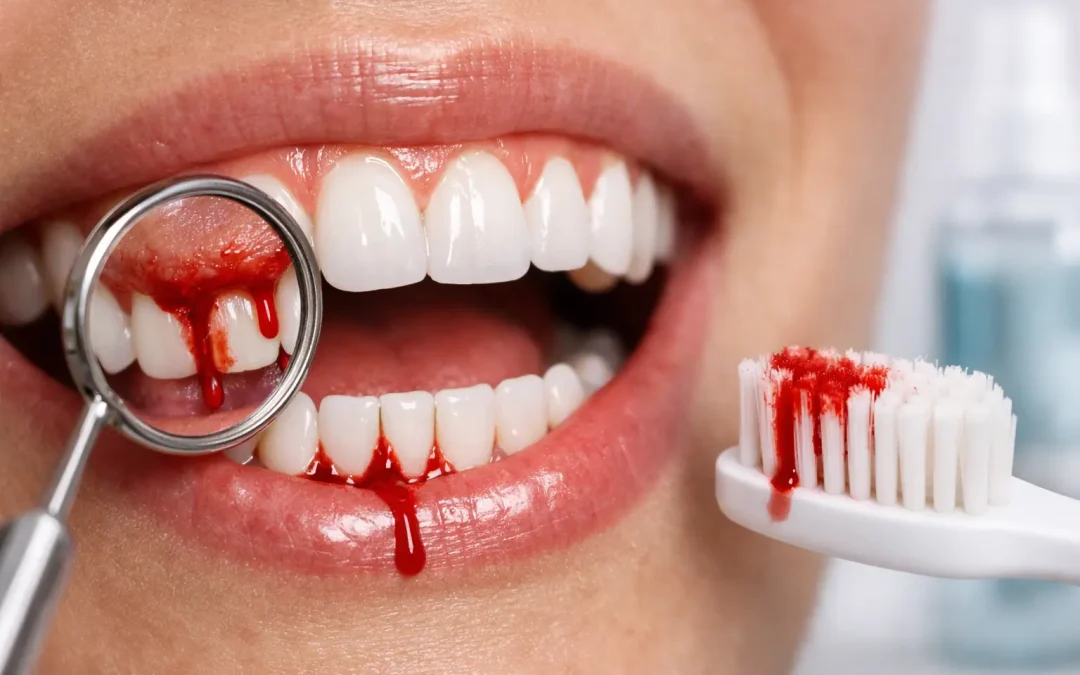
You spit into the sink after brushing and see pink in the foam. It is easy to shrug that off once or twice, but if you have been wondering why do gums bleed, your mouth is usually trying to tell you something. Bleeding gums are common, but they are not something to ignore.
Most of the time, bleeding gums point to irritation or inflammation along the gumline. Sometimes the cause is simple and reversible, like plaque buildup or brushing too hard. In other cases, it can be a sign of gum disease, hormonal changes, medication side effects, or a health issue that needs attention. The good news is that early care makes a real difference.
Why do gums bleed in the first place?
Healthy gums should not bleed regularly when you brush, floss, or eat. If they do, it usually means the tissue is inflamed. Inflammation makes the gums more sensitive, swollen, and likely to bleed with even light contact.
The most common reason is plaque. Plaque is a sticky film of bacteria that collects on teeth and around the gumline. If it is not removed well enough each day, it can irritate the gums and cause gingivitis, which is the earliest stage of gum disease. Gingivitis often causes redness, puffiness, bad breath, and bleeding during brushing or flossing.
That does not always mean the problem is advanced. In fact, early gum inflammation is often very treatable. But it does mean your gums need more attention, not less.
The most common causes of bleeding gums
Plaque buildup and gingivitis
This is the cause dentists see most often. When plaque sits around the gumline, the gums react by becoming inflamed. Many people stop flossing when they notice bleeding, assuming they are making it worse. Usually, the opposite is true. If flossing is gentle and consistent, the bleeding often improves as the gums get healthier.
There is a bit of a balance here. If your gums are very tender, aggressive flossing can add trauma. Gentle technique matters. What helps is steady daily care, not force.
Brushing too hard
A firm hand with a toothbrush can irritate delicate gum tissue, especially if you use a hard-bristled brush. Some people think harder brushing means cleaner teeth, but that is not how it works. A soft-bristled brush and light pressure usually clean better without harming your gums.
If your gums bleed in one area more than others, your brushing angle or technique may be part of the issue.
Starting a new flossing routine
If you have not flossed regularly for a while, your gums may bleed when you begin again. That can be discouraging, but it is common. As long as you are flossing carefully and not snapping the floss into the gums, mild bleeding often settles within a week or two as inflammation improves.
If the bleeding continues beyond that, it is worth having your gums checked.
Gum disease that has progressed
When gingivitis is not treated, it can develop into periodontitis. This is a more serious form of gum disease that affects the tissues and bone supporting the teeth. Bleeding may be joined by gum recession, persistent bad breath, loose teeth, sensitivity, or changes in how your bite feels.
At this stage, home care alone is usually not enough. Professional treatment is important to control the infection and protect the teeth.
Hormonal changes
Pregnancy, puberty, menstruation, and menopause can all make gums more reactive. During these times, the gums may swell more easily and bleed with less irritation than usual. Pregnancy gingivitis is especially common.
This does not mean bleeding gums during pregnancy should be dismissed. It simply means the gums may need extra support, more careful cleaning, and regular dental monitoring.
Medications
Some medicines can increase the chance of gum bleeding. Blood thinners are an obvious example, but they are not the only ones. Certain medications can also reduce saliva flow, which may increase plaque buildup and gum irritation over time.
If you take prescription medication and notice a change in your gums, it is a good idea to mention it at your dental visit. Do not stop any medication without medical advice.
Vitamin deficiencies and health conditions
Less often, bleeding gums can be linked to nutritional deficiencies such as low vitamin C or vitamin K, or to health conditions that affect healing, immunity, or blood clotting. Diabetes, for example, can increase the risk of gum problems and make inflammation harder to control.
This is where context matters. A little bleeding after skipping flossing for months is very different from frequent spontaneous bleeding with no clear reason.
When bleeding gums are a sign you should not wait
A small amount of bleeding once in a while does not always mean something serious is happening. But some patterns deserve prompt attention.
If your gums bleed often, bleed heavily, or bleed without brushing or flossing, that is worth checking. The same goes for bleeding paired with swelling, pus, gum recession, bad breath that does not improve, or loose teeth. If you have pain, fever, or facial swelling, you should seek dental care sooner rather than later.
Parents should also keep an eye on children who have bleeding gums. Sometimes it is just uneven brushing around erupting teeth or braces, but children can also develop gingivitis if plaque is left to build up.
What to do if your gums bleed
The right next step depends on the cause, but a few basics help in most cases. Keep brushing twice a day with a soft toothbrush. Brush gently along the gumline rather than scrubbing across it. Floss once a day with care, curving the floss around each tooth instead of snapping it straight down.
If your gums are inflamed, consistency matters more than intensity. Gentle daily cleaning removes the irritants that keep the tissue angry. Skipping oral hygiene because of bleeding often makes the cycle worse.
It also helps to look at the bigger picture. If you smoke or vape, your gum health can suffer. If you have a dry mouth, drink more water and ask whether your medications may be contributing. If your last cleaning was a while ago, hardened plaque may be sitting where your toothbrush cannot reach.
How a dentist figures out why your gums bleed
A dental exam usually gives clear answers fairly quickly. Your dentist will look at the gum tissue, measure the spaces around the teeth, check for plaque and tartar buildup, and ask about your home care routine, medications, and health history. X-rays may be needed if there are signs of deeper gum disease or bone loss.
This is not about blame. Many people with bleeding gums are doing their best but need a few adjustments, or they have buildup in places that are hard to clean at home. Others may have been avoiding appointments because they feel nervous. A gentle, judgment-free visit can make the problem feel much more manageable.
At a family-focused office like Bulleen Dental, that kind of calm and clear guidance matters, especially for patients who have been putting off care because they are worried about what the dentist might find.
Treatment depends on the cause
If plaque and tartar are behind the bleeding, a professional cleaning may be enough to get things back on track. If gum disease is more advanced, deep cleaning below the gumline may be recommended. Your dentist may also suggest changes to your brushing and flossing technique, products for sensitive gums, or more frequent cleanings for a period of time.
If a medical issue or medication could be contributing, your dentist may recommend speaking with your physician as well. The goal is not just to stop the bleeding for now, but to understand why it is happening so the gums can stay healthy long term.
Can bleeding gums be prevented?
Most of the time, yes. Daily brushing and flossing, regular dental cleanings, and early treatment for plaque buildup do a lot of the heavy lifting. A soft toothbrush, good technique, and routine checkups matter more than fancy products.
Prevention is also easier than repair. Gum disease can often be reversed in its early stage, but once there is bone loss, treatment becomes more involved. That is why even mild bleeding is worth paying attention to.
If you have braces, dental work, crowded teeth, or a history of gum problems, you may need more tailored advice. There is no shame in that. Mouths are different, and sometimes the right routine is the one that fits your needs and that you can stick with comfortably.
Seeing blood in the sink can feel alarming, but it is also a useful early warning. Your gums are asking for care, not punishment. A gentle routine, the right professional support, and a little consistency can often turn things around before a small problem becomes a bigger one.