
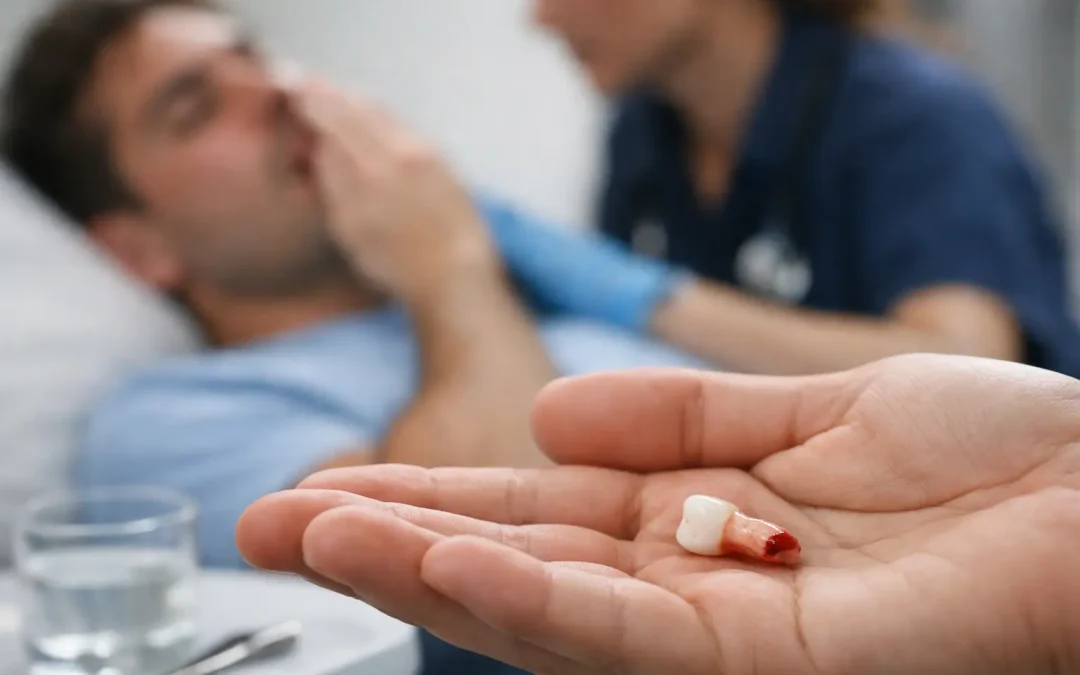
A tooth can be knocked out in seconds – during a fall, a sports collision, a bike accident, or rough play. If you are searching for how to handle knocked out tooth injuries, the actions you take in the next few minutes can make a real difference. A permanent tooth may be able to be placed back into its socket, but it needs gentle handling and urgent dental care.
Take a breath, focus on the person’s safety first, and contact an emergency dentist straight away. Even if the tooth cannot be saved, prompt care can protect the surrounding teeth, gums, and jaw while helping relieve pain.
How to Handle a Knocked Out Tooth Right Away
First, make sure there is no serious injury requiring emergency medical care. Call 911 or go to an emergency department if there is heavy or uncontrolled bleeding, loss of consciousness, vomiting, confusion, a suspected jaw fracture, trouble breathing or swallowing, or a serious head injury. A dentist can manage the tooth, but medical emergencies must come first.
If the person is otherwise stable, find the tooth as soon as possible. Pick it up only by the crown, which is the white chewing surface normally visible above the gumline. Do not touch, scrub, or scrape the root. The root is covered in delicate cells that are vital to successful reattachment.
If the tooth is dirty, gently rinse it for a few seconds with milk, saline, or clean running water. Do not use soap, disinfectant, alcohol, or hot water. Do not wrap the tooth in tissue, leave it dry on a counter, or put it in a glass of plain water. Those choices can damage the root surface.
If possible, place the tooth back in the socket
For an adult or older child with a permanent tooth, carefully try to reinsert it into the empty socket. Make sure it is facing the correct way – the smooth front surface should face the lips, not the tongue. Ask the person to bite gently on clean gauze or a soft cloth to hold it in place.
Do not force the tooth into the socket. If it will not go in easily, stop and keep it moist instead. A dentist can reposition and stabilize it safely.
Reinserting the tooth quickly offers the best chance of saving it. Ideally, this happens within 30 minutes, though a dentist should still assess the injury even if more time has passed. Every situation is different, and treatment may still be possible.
If you cannot put it back in
Keep the tooth moist while you travel to the dentist. The best options are placing it in a small container of cold milk or having the person hold it inside their cheek beside the gums, if they are old enough to do so safely without swallowing it.
For younger children, anyone who is distressed, or anyone at risk of swallowing the tooth, use milk instead of the cheek. A tooth-preservation kit, if available through a school or sports facility, can also be useful. Saline is another reasonable option. Plain water is a last resort only, because it is less friendly to the root cells.
Avoid letting the tooth dry out. Do not store it in ice, and do not place it in a damp paper towel if a better option is available.
Is It a Baby Tooth or a Permanent Tooth?
This distinction matters. Do not put a knocked-out baby tooth back into the socket. Reinserting it could harm the developing permanent tooth underneath. Call a dentist promptly for advice, especially if there is bleeding, pain, a cut to the gum, or concern that the tooth has been swallowed or inhaled.
A dentist may recommend an examination and X-rays to check for injury to the bone or nearby developing teeth. Depending on the child’s age and which tooth was lost, a space maintainer may be discussed to help protect room for the permanent tooth.
A knocked-out permanent tooth should be treated as a dental emergency. This includes a permanent front tooth in a child, teenager, or adult. If you are unsure whether it is a baby tooth, bring the tooth with you and call the dental office for guidance immediately.
What to Do About Bleeding, Pain, and Swelling
After locating the tooth, gently rinse the mouth with clean water to remove blood and dirt. Place clean gauze over the area and apply light, steady pressure. If gauze is not available, a clean folded cloth can help. Some bleeding is common after a tooth is knocked out, but it should begin to ease with pressure.
A cold pack wrapped in a thin towel can be held against the outside of the cheek for short intervals to reduce swelling and discomfort. Over-the-counter pain relief may help if it is safe for the person to take. Follow the product directions, and do not place aspirin directly on the gums, as it can irritate soft tissue.
Try to avoid eating until a dentist has assessed the injury. If a delay is unavoidable, choose soft foods and avoid biting with the injured area. Do not smoke, use a straw, or rinse aggressively, as these actions can disturb the blood clot and irritate the wound.
What Your Emergency Dentist May Do
At the appointment, the dentist will examine the tooth, socket, gums, and nearby teeth. X-rays may be needed to check the position of the tooth, look for root fractures, and assess the surrounding bone. Injuries that appear minor can sometimes involve damage below the gumline, so a professional assessment is worthwhile.
If the tooth has been replanted or can be replanted, the dentist may use a flexible splint to support it against neighboring teeth while the tissues heal. The splint is usually temporary. You may also be given instructions for a soft-food diet, gentle brushing, and an antibacterial mouth rinse.
In some cases, the tooth’s nerve does not recover after the injury. Root canal treatment may then be recommended, often after the tooth has been stabilized. This does not automatically mean the tooth will be lost. With timely treatment and follow-up, many replanted teeth can continue to function for years.
The outcome depends on several factors: whether the tooth was permanent, how long it was out of the mouth, whether it dried out, how it was stored, the condition of the socket, and the extent of injury to the root and bone. Clear, compassionate follow-up care helps you understand the options rather than leaving you to make decisions alone during a stressful moment.
Aftercare Matters as Much as the First Visit
A knocked-out tooth needs follow-up appointments, even when it looks stable. The dentist will monitor healing, the splint if one was placed, signs of infection, and changes in the tooth’s color or sensitivity. Keep every recommended review appointment. Problems can develop gradually and may be easier to manage when identified early.
At home, brush carefully with a soft toothbrush and follow the specific cleaning instructions provided by your dental team. Stick to softer meals while healing, and avoid contact sports or activities that could cause another blow to the mouth. If sports are part of regular family life, ask about a custom mouthguard once the immediate injury has settled.
Call the dental office sooner if pain or swelling gets worse, fever develops, the splint feels loose, the tooth shifts, or there is a bad taste or drainage from the gums. These symptoms do not always mean the tooth cannot be saved, but they deserve prompt attention.
A Calm Response Can Protect a Smile
Knocked-out tooth emergencies are frightening, particularly when they involve a child. The goal is not to do everything perfectly. It is to protect the tooth from drying out, avoid touching the root, seek urgent dental care, and get support quickly. A caring emergency dental team can take it from there, explain what they find, and help your family move forward with confidence.