
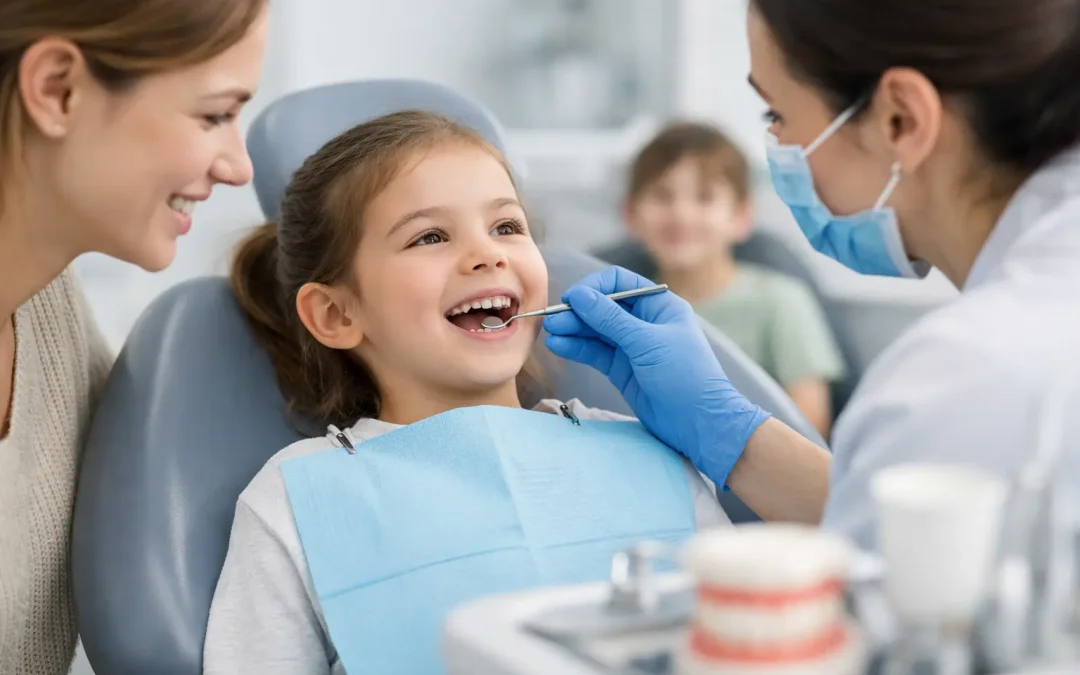
A lot of parents worry about the same thing before a visit – not cavities, but whether their child will even sit in the chair. That is exactly why good children dental checkup tips matter. A smoother visit helps your child feel safe, gives the dentist a better look at developing teeth, and makes it easier to catch small problems before they turn into bigger ones.
Start dental visits earlier than most parents expect
One of the most helpful things you can do is book that first dental visit early. Many parents wait until all the baby teeth are in or until something looks wrong, but earlier is usually better. Once the first tooth appears, or by your child’s first birthday, a checkup can help establish what is normal for their age.
Early visits are often simple and brief. They focus on checking tooth development, looking at the gums, discussing feeding habits, and talking through brushing routines. Just as importantly, they help your child get used to the dental setting before treatment is ever needed.
If your child is already older and has not been in yet, do not stress. It is still worth starting now. The goal is not a perfect timeline. The goal is building comfort and consistency from this point forward.
Talk about the visit in a calm, simple way
Children read adult emotions quickly. If a parent sounds tense, apologetic, or overly dramatic, a child may assume something scary is about to happen. Keep your explanation simple and matter-of-fact. You can say the dentist is going to count their teeth, look at their smile, and help keep their mouth healthy.
Try not to promise there will be nothing uncomfortable at all. Most routine visits are gentle, but children do better when they trust what they are told. It is better to say that the team will be kind, explain everything, and help them feel comfortable.
It also helps to avoid loaded words like pain, shot, drill, or hurt when they are not relevant. A calm tone goes a long way.
Choose the right appointment time
This is one of the most overlooked children dental checkup tips, but it can make a real difference. Book at a time when your child is usually well rested and fed. For some families, that means a morning appointment before the day gets too busy. For others, late morning works better because there is more time to get ready without rushing.
If your child still naps, avoid that window. If they tend to get hungry or overstimulated in the afternoon, keep that in mind too. A child who arrives tired, hungry, or already overwhelmed is more likely to struggle, even during a very gentle appointment.
The best time is not universal. It depends on your child’s routine, mood patterns, and age.
Practice at home before the appointment
Pretend play can make the dental office feel much less unfamiliar. You can do a simple practice check at home by having your child open wide while you count their teeth with a toothbrush or clean finger. Let them practice lying back on a pillow or couch for a moment while you look at their smile.
This is not about turning your house into a clinic. It is just about making the basic parts of a checkup feel familiar. Some children like reading a dental-themed story or watching a short age-appropriate video about visiting the dentist. Others do better with a very brief explanation and no buildup at all.
If your child is anxious by nature, keep the practice light. Too much focus can backfire. A little familiarity is helpful. Too much anticipation can make nerves grow.
Bring comfort, but keep it manageable
A favorite stuffed animal, small blanket, or other comfort item can help younger children feel more secure. Familiar objects give them something steady to hold onto in a new environment. That said, it helps to keep it simple. Bringing too many items can create distraction or make transitions harder.
For older children, comfort may look different. It might be knowing exactly what will happen, having a parent close by, or being praised for cooperating rather than being rewarded with a big treat afterward.
Snacks and drinks deserve a quick mention too. If possible, avoid sticky or sugary foods right before the visit. Water is usually the safest choice before an exam unless you have been given different instructions.
Be careful with rewards and bribes
Parents often mean well here, but the wording matters. Saying, “If you’re brave, I’ll buy you a toy,” can accidentally suggest that the visit is something scary that must be endured. A better approach is calm encouragement before the appointment and specific praise afterward.
You might say, “You did a great job opening wide,” or “You listened really well.” That kind of feedback helps children understand what they did successfully.
Small rewards can still be fine. It just helps if they feel like a positive marker rather than a payoff for surviving something frightening. The difference is subtle, but children notice it.
Know what the dentist is actually looking for
A routine checkup is about more than spotting cavities. Dentists also check how the bite is developing, how baby teeth are spacing, whether brushing is reaching the right areas, and whether habits like thumb sucking or mouth breathing may affect oral development.
That broader view matters because some issues are easier to manage when found early. A small area of enamel wear, early gum irritation, or signs of crowding may not seem urgent to a parent, but they can shape future care decisions.
This is also a good time to ask practical questions. Is your child brushing well enough on their own? Do they still need help flossing? Are snacks or drinks affecting their teeth more than expected? A good dental visit should leave you with clearer next steps, not just a quick yes-or-no answer about cavities.
Share anything that might affect the visit
If your child is nervous, sensitive to noise, has had a difficult medical experience, or struggles with new environments, mention it before or at the start of the appointment. The more the dental team knows, the better they can adapt their approach.
Some children need slower pacing and extra explanation. Others do better when the visit is efficient with minimal buildup. There is no one right method for every child.
This is especially true for children with sensory sensitivities or developmental differences. A patient-centered clinic will adjust where possible, whether that means offering a quieter approach, taking short breaks, or simply talking to your child in a way that makes them feel more secure.
Keep the routine going between checkups
The easiest dental visits usually belong to children who know that oral care is a normal part of life, not a once-in-a-while event. Daily brushing, age-appropriate flossing, and regular checkups create familiarity. Children are often less anxious when dental care feels routine rather than unusual.
Consistency matters more than perfection. Some nights are rushed. Some mornings are messy. That happens in real family life. What matters is returning to the routine and asking for help when something is not working.
For example, if toothbrushing has become a battle, it is worth raising at the next visit. Sometimes a small adjustment in technique, toothpaste flavor, brush type, or positioning can make daily care much easier.
When fear does not fade, take it seriously
Some children warm up after one or two visits. Others need more time. If your child remains very distressed, do not assume they are being difficult. Dental anxiety can be real, even when nothing painful has happened.
In those cases, gentleness, clear communication, and a gradual approach matter even more. Family-focused clinics like Bulleen Dental often spend extra time helping children feel comfortable before moving ahead. That kind of trust-building can shape how a child feels about dental care for years.
There is also no shame in asking what comfort options are available if your child has intense anxiety or needs more support. The right plan depends on the child, the treatment needed, and how they have responded in the past.
A good checkup should build confidence
The best appointment is not always the one where everything goes perfectly. Sometimes it is the visit where a shy child sits in the chair for the first time, or opens wide for a few seconds longer than last time, or leaves saying the dentist was nicer than expected.
That progress counts. Dental care is not just about teeth. For children, it is also about learning that healthcare can feel safe, respectful, and manageable.
If you approach checkups with calm expectations, honest reassurance, and steady routines at home, your child is much more likely to build that confidence over time. And that confidence tends to stay with them long after the baby teeth are gone.