
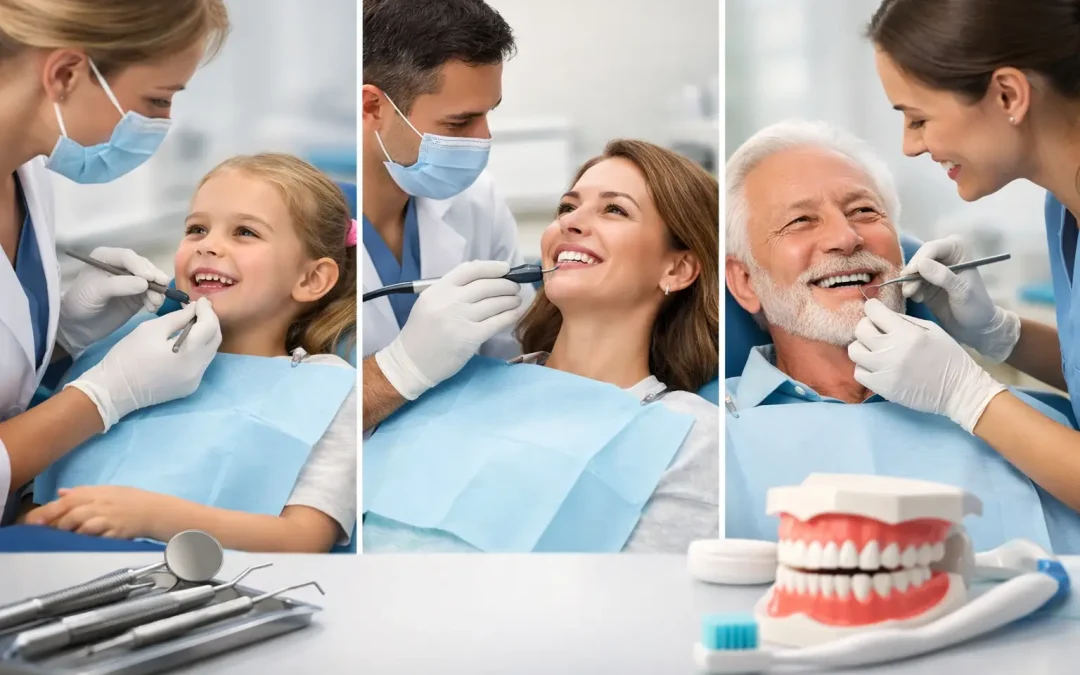
Most people do not avoid the dentist because they do not care about their teeth. They avoid it because they are busy, unsure what will happen, worried about cost, or nervous about discomfort. A good check up and clean guide should make the process feel clearer and less stressful, especially if it has been a while since your last visit.
Routine dental care is one of the simplest ways to stay ahead of tooth decay, gum problems, bad breath, and the kind of small issues that turn into bigger treatment later. For families, it also helps children build healthy habits early. For adults, it keeps maintenance manageable. And for nervous patients, knowing what to expect can make booking that appointment feel much easier.
What a check up and clean guide should actually cover
A dental checkup and professional cleaning are often booked together, but they are not the same thing. The checkup is about assessing your oral health. The cleaning is about removing the plaque and tartar that brushing and flossing at home cannot fully manage.
During a routine visit, your dentist will look at your teeth, gums, and bite, and check for signs of cavities, gum disease, wear, cracks, or other concerns. Depending on your needs and how long it has been since your last appointment, X-rays may also be recommended. These help spot problems that are not visible on the surface, such as decay between teeth or issues below the gumline.
The cleaning is usually completed by removing built-up plaque and tartar, polishing the teeth, and talking through home care if anything needs attention. If your gums are inflamed or there is heavier buildup, the appointment may feel a little different from a light maintenance clean. That does not mean anything is wrong. It often just means your mouth needs more focused care.
What happens during a routine visit
If you have not had a dental checkup in a while, the unknown can feel worse than the appointment itself. In most cases, a routine visit is straightforward.
First, your dental team will ask about your health history, medications, symptoms, and any concerns you have noticed. This matters more than people think. Bleeding gums, jaw pain, tooth sensitivity, headaches, and dry mouth all give useful clues.
Next comes the exam. Your dentist checks each tooth, the condition of your fillings or crowns if you have them, the health of your gums, and how your teeth come together when you bite. They may also screen for signs of oral cancer as part of a full oral health assessment.
Then comes the clean. A professional clean removes hardened tartar that cannot be brushed off at home. Your teeth may then be polished to help remove surface stains and leave them feeling smoother. Some patients also benefit from fluoride treatment, especially children or adults who are more prone to cavities.
If anything needs follow-up, your dentist should explain it clearly. A good visit should never leave you guessing about what is urgent, what can wait, or what your options are.
How often should you go
The common advice is every six months, and that works well for many people. But it is not a rule that fits everyone.
Some patients do well with a checkup and clean every six months because their teeth and gums are stable, they keep up good home care, and they are not prone to frequent decay. Others need to come in more often. That might include patients with gum disease, heavy tartar buildup, dry mouth, a history of frequent cavities, diabetes, orthodontic treatment, or smoking-related oral health risks.
Children may also need regular preventive visits to monitor how their teeth are developing. Adults with crowns, implants, dentures, or other restorative work often benefit from consistent maintenance too. The best timing depends on your oral health history, not just a generic schedule.
A check up and clean guide for kids, adults, and nervous patients
Children often do best when dental visits start early and stay routine. If a child only comes in when something hurts, the appointment can feel scary from the start. Regular preventive visits help make the dental office familiar, calm, and manageable. They also give parents a chance to ask about brushing habits, thumb sucking, diet, and whether adult teeth are coming in as expected.
For working adults, routine appointments are often delayed for practical reasons. Life gets full. But preventive care usually saves time in the long run. A small cavity found early is easier to treat than a larger one that leads to pain, infection, or a more complex procedure later.
For anxious patients, a supportive dental team makes a real difference. Gentle communication, clear explanations, and a slower pace can help reduce stress. Some patients also want to know they have options if they are especially nervous. Whether that means taking breaks, talking through each step, or discussing sedation, comfort should be part of the care plan, not an afterthought.
When a routine clean may not be enough
Not every cleaning is the same. If your gums are healthy and buildup is light, a standard clean may be all you need. If your gums bleed easily, feel swollen, or if there is deeper tartar around the teeth, your dentist may recommend more involved periodontal care.
This is where people sometimes feel caught off guard. They came in expecting a basic clean and hear they need something more. That can be frustrating, but it is usually based on what your gums need, not on making the visit more complicated.
Gum disease does not always cause pain early on. You might notice bleeding when brushing, bad breath, gum tenderness, or nothing obvious at all. Treating it early is always easier than waiting until teeth feel loose or gums start to recede more noticeably.
How to prepare for your appointment
You do not need to do anything special before a routine checkup, but a few simple steps can help. Brush and floss as normal so your dentist can get a clear look at your mouth. Bring a list of medications if they have changed. Make a note of any symptoms you have noticed, even if they seem minor.
It also helps to mention if you are pregnant, have a medical condition, clench or grind your teeth, or have dental anxiety. These details shape your care. The more your dental team knows, the better they can tailor the appointment to you.
If cost is one of the reasons you have been putting it off, ask for clarity before treatment starts. A trustworthy clinic should explain what is included in the visit and what might involve additional costs if further treatment is needed.
How to get the most from your clean between visits
A professional cleaning helps reset your oral health, but what you do at home still matters every day. Brushing twice a day with fluoride toothpaste and cleaning between your teeth once a day remains the foundation. For some people, floss works well. For others, interdental brushes are easier and more effective.
Diet matters too. Frequent snacking, sugary drinks, and acid exposure from soda or sports drinks can all raise your risk of decay and enamel wear. You do not need a perfect diet to have healthy teeth, but regular exposure matters more than people realize.
If you deal with sensitivity, bleeding gums, or bad breath that does not improve, bring it up. These are common concerns, and they usually have a reason behind them. Guessing at the cause on your own can delay the right care.
Signs you should not wait for your next routine visit
A regular checkup schedule is useful, but some symptoms deserve earlier attention. Tooth pain, swelling, a chipped tooth, bleeding that seems unusual, gum soreness that persists, sudden sensitivity, or a lost filling are all good reasons to book sooner.
The same goes for children who complain about pain when chewing, avoid cold foods, or have visible spots on a tooth. Dental issues rarely improve by waiting. They usually become more uncomfortable and more expensive to fix.
For families looking for steady, gentle care, a clinic like Bulleen Dental aims to make these visits feel approachable instead of overwhelming. That matters because people are much more likely to keep up with preventive care when they feel informed, respected, and comfortable asking questions.
A checkup and clean is not about chasing perfect teeth. It is about catching problems early, keeping your mouth healthy, and making future dental care easier on yourself. If it has been a while, the best time to restart is simply before something starts hurting.