
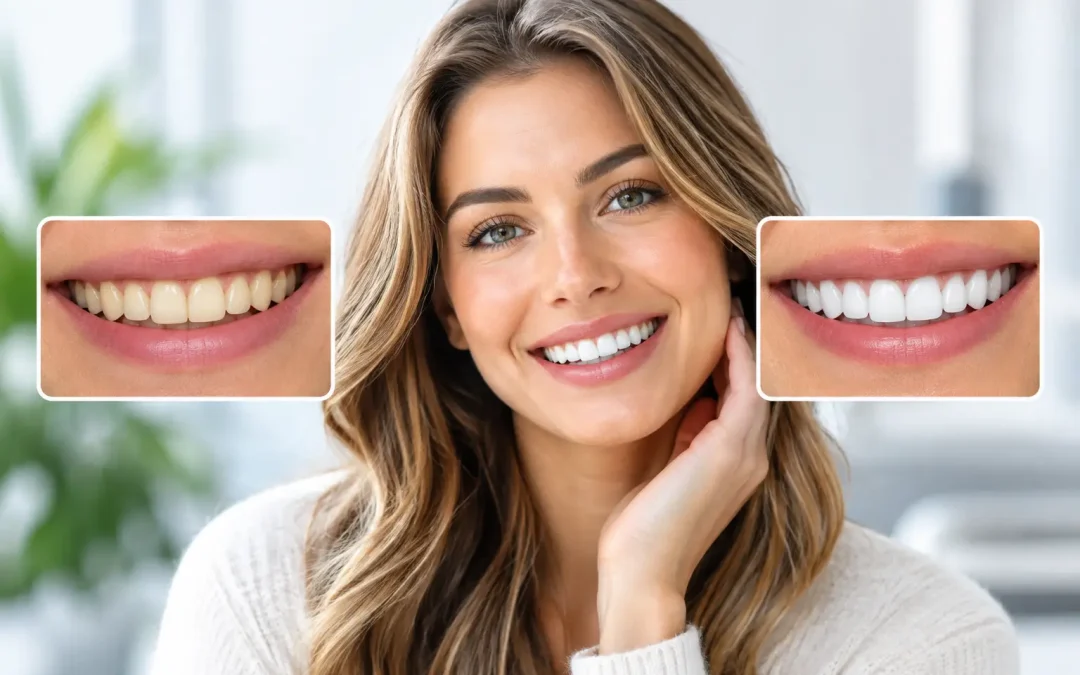
A brighter, more even smile can look like a small change in a photo, but the best cosmetic dentistry before after examples usually reflect careful planning, healthy teeth and gums, and treatment chosen for the individual. The goal is not to give every patient the same ultra-white, perfectly uniform smile. It is to create a result that feels natural, functions comfortably, and suits the person wearing it.
For many people, the “before” is not a severe dental problem. It may be staining from coffee, small chips at the edges of teeth, uneven spacing, or teeth that appear crowded in photos. Others are restoring their smile after decay, worn enamel, old fillings, or tooth loss. In every case, a good cosmetic outcome starts with an honest conversation about what you notice, what you would like to change, and what is realistic for your oral health and budget.
What Before-and-After Photos Can Actually Show
Before-and-after photos can be helpful because they turn treatment names into visible results. A person considering whitening can see the difference that a lighter shade may make. Someone with a chipped front tooth can understand how bonding may restore a smoother edge. A patient considering Invisalign can see how a gradual alignment plan may change the appearance of their smile.
But photos are only one part of the decision. Lighting, camera angles, lip position, and image editing can all affect how dramatic a result appears. More importantly, your teeth may have different enamel thickness, tooth shape, gum levels, bite forces, and starting shade than the person in the image.
A trustworthy dentist will use examples to explain possibilities, not promise that your smile will look identical. They should also discuss how the treatment will feel, how long it may last, and what maintenance it requires.
Cosmetic Dentistry Before After Examples by Treatment
Teeth whitening: lifting surface stains and natural discoloration
Whitening is often the most noticeable cosmetic change with the least alteration to tooth structure. In a typical before-and-after example, teeth may begin with a yellow or dull appearance caused by age, food and drink, smoking, or naturally deeper tooth color. After professional whitening, the smile can look fresher and brighter while the tooth shapes remain exactly the same.
The trade-off is that whitening does not change the color of crowns, veneers, fillings, or bonding. If a front tooth has an older filling or crown, whitening the surrounding teeth may make that restoration stand out more. Sensitivity can also occur during or shortly after treatment, although it is usually temporary and can often be managed by adjusting the approach.
Whitening results vary. A healthy, natural shade that works with your complexion can look more convincing than chasing the brightest possible result. Good before-and-after examples show an improvement in brightness without making the teeth look flat or artificial.
Composite bonding: repairing chips, gaps, and uneven edges
Composite bonding uses tooth-colored resin to reshape small areas of a tooth. Before-and-after examples often show a front tooth with a chip, a small gap between teeth, uneven lengths, or worn edges. After treatment, the teeth can look more balanced and the smile can appear more symmetrical.
This option is conservative because it typically requires little to no removal of natural tooth structure. It can be an excellent choice for minor changes, particularly when a patient wants an improvement without committing to veneers. Bonding is also useful after orthodontic treatment when tooth shapes, rather than tooth positions, are the remaining concern.
However, composite can stain, chip, or wear over time, especially for people who bite pens, chew ice, grind their teeth, or regularly eat hard foods. It may need polishing, repair, or replacement in the future. The most successful results match the resin carefully to the surrounding enamel and avoid making the tooth look bulky.
Veneers: changing shape, shade, and proportion
Veneers are thin custom shells placed over the front surface of teeth. In cosmetic dentistry before after examples, they can create a significant change for teeth that are deeply discolored, unevenly shaped, worn down, slightly misaligned, or affected by spaces that are too large for bonding alone.
The “after” can look remarkably polished, but good veneer dentistry is not about making every tooth identical. It considers facial features, lip movement, gum line, speech, bite, and the natural variation that makes teeth look believable. A slightly translucent edge and a shade with depth often look more natural than an opaque, solid white finish.
Veneers are a bigger commitment than whitening or bonding. Some preparation of enamel may be needed, depending on the case, and veneers will eventually require replacement. They are also not the best first step when untreated gum disease, active decay, or heavy grinding is present. A nightguard, periodontal care, or restorative treatment may be needed first to protect the investment.
Invisalign: improving alignment without fixed braces
Invisalign before-and-after examples usually focus on straighter teeth, reduced crowding, closed gaps, or a more even arch shape. Because the teeth are being moved rather than covered, the result can improve both appearance and cleaning access. Properly aligned teeth may be easier to brush and floss, particularly where crowding previously trapped plaque.
Clear aligners are not a quick fix for every bite. Some movements are more complex than others, and treatment time depends on the starting position and how consistently aligners are worn. Attachments, small tooth-colored shapes placed on certain teeth, may be needed to guide movement. Retainers are essential after treatment, because teeth naturally tend to shift over time.
For some patients, a combination plan produces the best result. Invisalign may first straighten the teeth, followed by whitening or small amounts of bonding to refine shape and color. This can be more conservative than using veneers to mask alignment concerns.
Crowns, implants, and smile restoration
Not every cosmetic transformation begins with healthy, intact teeth. A crown can restore a heavily damaged tooth while improving its appearance. An implant-supported crown can replace a missing tooth, helping restore both confidence and everyday function. In these examples, the visible change can be dramatic, but the less visible work matters just as much: treating infection, rebuilding structure, supporting the bite, and maintaining healthy gums.
A crown or implant should be designed to blend with neighboring teeth, rather than drawing attention to itself. Shade selection, shape, and gum contours all influence whether the final result looks natural. When several teeth are involved, planning may include a trial smile or temporary restorations so adjustments can be made before the final work is completed.
What Makes a Result Look Natural and Last
The most impressive photos are not always the healthiest treatment plans. A strong cosmetic result should preserve as much healthy tooth structure as possible, keep gums healthy, and work comfortably when you bite and speak. If you clench or grind, that needs to be addressed. If gums bleed or teeth feel loose, cosmetic work should wait until the underlying issue is treated.
During a consultation, ask what alternatives exist and why one option is recommended over another. Ask whether the expected result can be achieved with whitening, bonding, or orthodontic treatment before considering more extensive work. You should also understand the likely lifespan of the treatment, future maintenance, and the full cost before proceeding.
At Bulleen Dental, cosmetic planning is approached as part of your overall oral health, with clear explanations and a gentle, patient-centered approach. Whether you want a subtle refresh or a more involved smile restoration, the right plan should leave you feeling informed rather than pressured.
A useful before-and-after example should help you ask better questions, not make you compare your smile to someone else’s. The most rewarding change is one that feels comfortable, looks like you, and makes it easier to smile without thinking twice.