
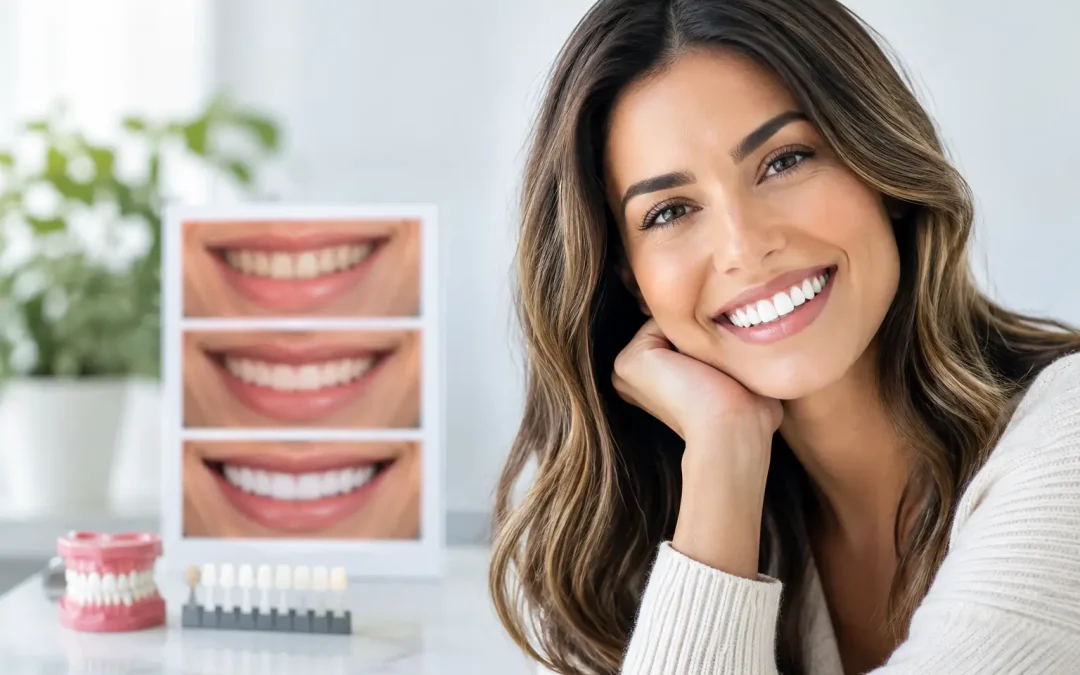
A smile makeover is not one treatment or one “perfect” look. It is a personalized plan that may address tooth color, alignment, shape, gaps, worn edges, missing teeth, or a combination of concerns. The best smile makeover options are the ones that improve the appearance of your smile while protecting your oral health, fitting your lifestyle, and feeling comfortable for you.
For some people, a small change such as professional whitening creates the fresh, brighter result they had hoped for. Others need to straighten crowded teeth, repair damaged enamel, or replace a missing tooth before their smile feels complete. A caring dental consultation helps turn a broad wish like “I want to smile more confidently” into clear, realistic choices.
Start With a Healthy Foundation
Cosmetic treatment looks and lasts better when the teeth and gums underneath are healthy. Before planning veneers, whitening, or any other visible improvement, your dentist will check for cavities, gum disease, old failing restorations, tooth grinding, and bite concerns.
This is not a delay for the sake of it. For example, whitening will not change the color of a crown, veneer, or filling. Gum inflammation can affect how the gumline frames your teeth. If you clench or grind, a beautiful new restoration may be more likely to chip without protection from a custom nightguard.
A smile makeover can include health-focused treatment first, such as a cleaning, gum care, fillings, root canal treatment, or replacing a worn crown. Taking care of these needs can make the cosmetic phase safer and more predictable.
The Best Smile Makeover Options, Explained
Professional teeth whitening
Professional whitening is often the simplest option for healthy teeth that have become yellowed or stained by coffee, tea, red wine, tobacco, or natural aging. It can brighten the overall shade of your smile without removing tooth structure.
Whitening is a good fit when tooth color is your main concern and the shape and position of your teeth already feel right. It is also commonly used before crowns, veneers, or bonding are made, so new dental work can be matched to your preferred shade.
The trade-off is that results are not permanent. Staining habits, diet, and natural changes in tooth color all play a role. Some people also experience temporary sensitivity. Your dentist can recommend a pace and product that suits your teeth rather than taking a one-size-fits-all approach.
Invisalign and other clear aligners
Crowding, spacing, and teeth that have shifted over time can change both the appearance and cleanability of a smile. Clear aligners gradually move teeth into a better position using a series of custom trays.
For adults who want a more discreet orthodontic option, Invisalign can improve alignment without traditional metal braces. Straightening can sometimes reduce the need for more extensive cosmetic work because teeth may look more balanced once they are in their intended positions.
Clear aligners require consistency. They are removable, which is convenient for meals and brushing, but they generally need to be worn for most of the day to work as planned. They are not the right solution for every bite or orthodontic concern, so an examination is essential.
Composite bonding
Composite bonding uses tooth-colored resin to improve small chips, uneven edges, narrow gaps, or minor shape differences. It can be a conservative way to add balance to a smile because it usually requires little to no removal of natural enamel.
Bonding can be especially useful for one or two teeth that look shorter, chipped, or slightly misshapen next to otherwise healthy teeth. It may also be combined with whitening, giving your dentist the ability to match the composite to your brighter tooth shade.
Compared with porcelain, composite is generally more prone to staining and chipping over time. It may need polishing, repair, or replacement in the future. Still, for the right concern, it offers a natural-looking improvement with a gentler approach to the tooth.
Porcelain veneers
Veneers are thin, custom porcelain shells placed on the front surfaces of teeth. They can address more than one cosmetic concern at once, including discoloration that does not respond well to whitening, uneven shapes, worn edges, gaps, and mild alignment concerns.
Because porcelain reflects light in a tooth-like way and resists stains well, veneers can create a refined, long-lasting result. They are often chosen when several front teeth need a coordinated change rather than a single small repair.
Veneers are a bigger commitment than whitening or bonding. Preparing teeth for veneers may involve removing a small amount of enamel, and veneers will eventually need replacement. They also do not correct every orthodontic or bite issue. A thoughtful plan should preserve as much healthy tooth structure as possible and avoid treatment that is more extensive than you need.
Crowns for damaged or heavily worn teeth
A crown covers and protects the full visible portion of a tooth. While crowns can improve appearance, their primary role is often restorative. They may be recommended when a tooth has a large filling, significant cracks, extensive decay, a root canal, or substantial wear.
Modern crowns can be designed to blend beautifully with surrounding teeth, so they may become part of a smile makeover while restoring strength and function. Unlike veneers, crowns are not typically chosen for healthy teeth solely to make cosmetic changes. The condition of each individual tooth matters.
Dental implants, bridges, and dentures for missing teeth
A missing tooth can affect more than a smile photograph. It may change how you chew, allow nearby teeth to drift, and make you self-conscious when speaking or laughing. Replacing it can restore both confidence and daily function.
A dental implant replaces the tooth root with a small post and supports a custom crown. For many patients, it is a stable, natural-feeling choice that does not rely on neighboring teeth. However, it involves a surgical process and healing time, and suitability depends on your bone, gums, overall health, and treatment goals.
A bridge can replace a missing tooth by anchoring a replacement tooth to adjacent teeth, while dentures can replace several or all missing teeth. Each option has advantages. The right choice depends on how many teeth are missing, the health of nearby teeth, timing, budget, and the level of stability you want.
How to Choose a Plan That Feels Right
The best smile makeover is rarely about selecting the most expensive treatment. It is about identifying the changes that will make the greatest difference to you. Bring specific concerns to your appointment: perhaps your front teeth look worn in photos, a gap has become more noticeable, or you avoid smiling because of uneven color.
Your dentist can assess your teeth, gums, bite, facial balance, and the way your smile shows when you talk. You should also discuss your timeline, how natural or dramatic you want the result to look, and what level of ongoing maintenance feels manageable.
Cost matters, too. A staged approach can make treatment feel more achievable. You might begin with oral health care and whitening, then consider alignment or restorations later. At Bulleen Dental, clear explanations and flexible payment options can help patients understand their choices without feeling pressured into a decision.
Questions Worth Asking at Your Consultation
A helpful consultation should leave you feeling informed, not rushed. Ask which treatments are conservative, what preparation is required, how long results are expected to last, and what maintenance will be needed. It is also reasonable to ask whether there is a less extensive option that could meet your goals.
If dental visits make you anxious, say so early. A gentle team can discuss comfort measures and, where appropriate, sedation options. Feeling calm and involved in the process is part of a positive smile makeover experience.
Your smile does not need to match anyone else’s. The most satisfying result is one that looks healthy, suits your features, and lets you smile without second-guessing yourself. A personalized conversation is the right first step toward deciding what changes, if any, will help you feel more at home in your smile.