
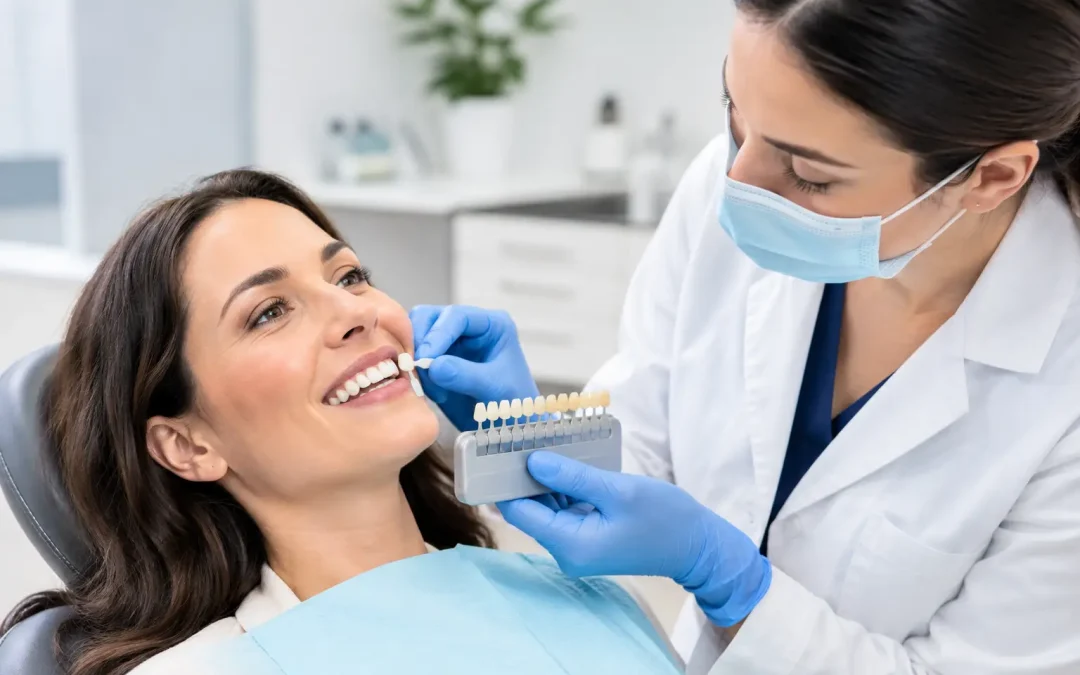
Coffee, tea, red wine, and the normal passage of time can gradually make a smile look less bright. When you are searching for a teeth whitening dentist Melbourne residents can feel comfortable seeing, the goal should be more than a noticeably whiter shade. You deserve advice that protects your teeth and gums, explains what is realistically possible, and leaves you feeling confident about your care.
Professional whitening is a popular cosmetic treatment because it can refresh your smile without changing the shape or structure of healthy teeth. However, the right approach depends on why your teeth are discolored, whether you have restorations, and how prone you are to sensitivity. A personalized dental assessment is the safest place to start.
Why see a teeth whitening dentist in Melbourne?
Store-bought whitening products may suit some people with mild, even staining. They are convenient and can be less expensive upfront, but they are not one-size-fits-all. Strips and generic trays may not sit closely against every tooth, which can lead to uneven whitening or irritation if the whitening gel reaches the gums.
A dentist begins by checking your oral health and discussing the result you have in mind. This matters because whitening treatments work best on natural tooth enamel. If discoloration is caused by decay, old fillings, gum problems, medication, or trauma to a tooth, whitening alone may not address the underlying issue.
Professional care also means having access to appropriately selected whitening products and clear guidance for use. If sensitivity occurs, your dental team can help adjust the plan rather than leaving you to guess whether you should continue.
Professional whitening versus over-the-counter products
The biggest difference is not simply the strength of the whitening gel. It is the planning, fit, and supervision behind the treatment. Professional whitening is designed around your mouth, your current tooth shade, and your comfort level.
In-office whitening is often chosen by people who would like a quicker change before an event, photos, or a milestone occasion. It is performed under dental supervision, with care taken to protect the soft tissues of the mouth. Results can be noticeable in a single visit, although the final shade varies from person to person.
Custom take-home whitening uses trays made to fit your teeth closely. You wear them at home as instructed over a period of days or weeks. This option can be a good fit if you prefer a gradual change or would like more control over when you whiten. It also makes future touch-ups more straightforward.
Neither option is automatically better. In-office treatment may be more convenient when time is limited, while custom take-home treatment can suit patients who want to whiten progressively. Your dentist can explain the expected timeline, costs, and likely result before you decide.
Who is a good candidate for whitening?
Many adults with healthy teeth and gums can consider professional whitening. Surface stains from food, drinks, or smoking often respond well. Naturally darker or yellow-toned teeth may also become lighter, though no dentist can promise that every smile will reach a particular shade.
Whitening may need to wait if you have untreated cavities, active gum disease, cracked teeth, or significant tooth sensitivity. Treating these concerns first helps keep the experience comfortable and protects your long-term oral health. For nervous patients, a gentle, patient-centered conversation can make it easier to address care that has been put off.
It is also helpful to know that crowns, veneers, fillings, bonding, and dentures do not whiten in the same way as natural teeth. If a visible crown or filling is already a close match for your teeth, whitening the surrounding enamel may create a color difference. In some cases, whitening first and then replacing a restoration to match the new tooth shade is the most balanced approach.
What about deep or uneven discoloration?
Not all stains respond equally. Yellow or brown surface staining often improves more predictably than gray discoloration caused by certain medications, internal tooth changes, or previous trauma. A single dark tooth may need a different treatment approach from whitening the entire smile.
This is where an examination is especially valuable. Your dentist can help distinguish between a stain on the tooth surface and a color change within the tooth, then discuss options that fit your goals and budget.
What happens at a whitening consultation?
A whitening consultation should feel clear and unrushed. Your dentist will ask what you would like to change about your smile and review your dental and medical history. They will examine your teeth and gums, look for any conditions that need attention first, and assess existing dental work in the visible smile area.
You may also discuss habits that affect staining, such as frequent coffee, tea, red wine, tobacco use, or strongly colored foods. This is not about being told to give up everything you enjoy. It is about understanding what may influence the longevity of your results and where small changes can help.
Your dental team can then recommend an in-office or take-home option, explain how to use it safely, and discuss expected sensitivity. At Bulleen Dental, the focus is on making these conversations comfortable and practical, so you can make an informed decision without pressure.
Is teeth whitening safe for sensitive teeth?
Sensitivity is one of the most common concerns, and it is a real consideration rather than something to dismiss. Some people experience short-lived sensitivity to cold during or shortly after whitening. Others feel no discomfort at all.
A dentist can help reduce the likelihood of sensitivity by choosing an appropriate treatment plan, modifying wear time for take-home trays, or recommending desensitizing products where suitable. Avoiding treatment on teeth with untreated decay, exposed roots, or fractures is also important.
If you have had sensitivity before, mention it before treatment starts. A slower plan may be more comfortable than trying to achieve the lightest possible shade quickly. A healthy, comfortable smile is always more valuable than rushing the process.
How long do whitening results last?
Results are not permanent, but they can last well with thoughtful maintenance. How long your brighter shade lasts depends on your enamel, diet, oral hygiene, and exposure to staining substances. Some people choose occasional touch-ups, particularly if they regularly drink coffee, tea, or red wine.
Brushing twice a day with fluoride toothpaste, cleaning between teeth daily, and attending regular dental checkups support both the appearance and health of your smile. Rinsing with water after a dark drink can also help reduce contact time with staining pigments. If you use a custom take-home system, follow your dentist’s instructions for any future touch-ups rather than whitening more often than recommended.
Choosing care that feels right
The best whitening result is one that looks natural for you, feels comfortable, and is achieved without overlooking your oral health. Be cautious of claims that promise identical results for everyone or suggest that stronger is always better. Teeth have different starting shades, and a good dentist will set honest expectations.
Ask how the treatment will be tailored to your teeth, what it will cost, how sensitivity is managed, and how existing crowns or fillings may affect the outcome. Clear answers can turn a cosmetic decision into a positive, low-stress experience.
A brighter smile can be a lovely confidence boost, whether you are preparing for a special occasion or simply want to feel more at ease in everyday photos. Start with a friendly dental conversation, and give your smile the care it deserves.