
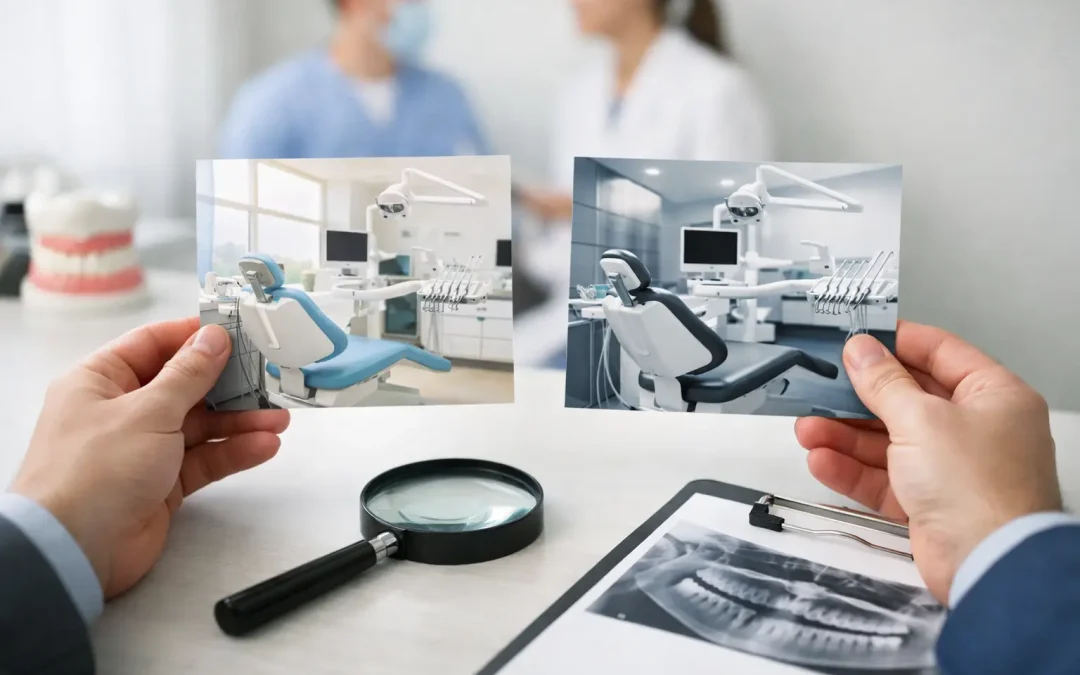
A dental clinic can look impressive online and still not feel right once you are in the chair. Perhaps appointments are rushed, costs are unclear, or your child leaves feeling more nervous than when they arrived. Knowing how to compare dental clinics helps you look beyond a polished website and choose a practice where your family can feel comfortable returning year after year.
The best clinic is not necessarily the closest one, the cheapest one, or the one with the longest list of treatments. It is the one that can provide appropriate care, explain your options clearly, and make dental visits manageable for your needs, budget, and comfort level.
Start With the Care You Need Now and Later
Begin with a practical question: why are you looking for a dentist? A routine checkup calls for something different from an urgent toothache, a child’s first visit, or a plan to replace missing teeth. A clinic that is a good fit should be able to support your immediate concern without losing sight of your longer-term oral health.
For many families, choosing a practice with a broad range of services is helpful. General checkups, cleanings, fillings, crowns, root canal treatment, extractions, dentures, cosmetic options, and orthodontic solutions such as Invisalign may not all be needed today. But having more care available in one familiar setting can reduce the need to start from scratch with another provider when your needs change.
That said, a long treatment list should not be the only deciding factor. Ask how the clinic approaches referrals for highly specialized care. A dependable dentist knows when treatment can be managed in-house and when a specialist’s expertise is the better choice.
How to Compare Dental Clinics Beyond Online Reviews
Reviews can be useful, especially when several patients mention the same strengths or concerns. Look for details about whether the team listened, explained treatment clearly, handled nervous patients gently, and respected appointment times. These comments often tell you more than a star rating alone.
Still, reviews are only one part of the picture. People tend to post after an unusually positive or frustrating experience, while ongoing preventive care may receive less attention. Use reviews to form questions, then contact the clinic or book an initial visit to see whether the experience matches what you have read.
A good first interaction matters. Notice whether the reception team is patient when answering questions, whether they can explain booking availability, and whether you are made to feel like an inconvenience. A welcoming front desk cannot replace clinical skill, but it often reflects how thoughtfully a practice cares for its patients.
Check credentials and clinical communication
You should feel comfortable asking about the dentist’s qualifications, professional registration, areas of clinical interest, and experience with the treatment you are considering. This is especially relevant for complex work such as implants, wisdom tooth removal, cosmetic treatment, or sedation.
Equally important is how the dentist communicates. Dental care is rarely one-size-fits-all. A thoughtful clinician will examine your mouth, explain what they have found in plain language, discuss the likely benefits and limits of each option, and give you time to ask questions. Be cautious if you feel pressured toward a large treatment plan before you understand why it is recommended.
Clear communication is particularly valuable when there is more than one reasonable path forward. For example, a damaged tooth may sometimes be repaired with a filling, protected with a crown, or replaced after extraction depending on the tooth’s condition, your goals, and the long-term outlook. You deserve an explanation of those trade-offs, not just a quick recommendation.
Look Closely at Comfort and Anxiety Support
Dental anxiety is common among adults and children alike. It may come from a past experience, concern about pain, embarrassment about dental problems, or simply not knowing what will happen next. If comfort is a priority for you, compare clinics based on the specific support they offer rather than assuming every office takes the same approach.
Ask how the team helps nervous patients feel at ease. Gentle communication, breaks during treatment, clear explanations before each step, and a calm environment can make a significant difference. Some patients may also benefit from sedation options, depending on their health history and planned procedure.
For children, look for a clinic that treats early appointments as confidence-building experiences rather than tasks to get through quickly. The dentist and team should speak in an age-appropriate way, help parents understand preventive care, and avoid creating unnecessary fear. A child who feels safe at the dentist is more likely to carry healthy habits into adulthood.
Compare Costs With Clarity, Not Just Headlines
An introductory offer can make it easier to book a first appointment, but it should not be the only factor in your decision. The real question is whether the clinic is transparent about costs once you need ongoing care.
Before treatment begins, ask whether you will receive a written estimate, what is included in the quoted fee, and whether there may be additional costs if the clinical situation changes. For larger treatment plans, it is reasonable to ask about staged care, payment options, and whether treatment can be prioritized based on urgency and budget.
Low fees are appealing, but they do not automatically mean better value. A restoration that needs frequent repair, an unclear treatment plan, or a delayed diagnosis can become more expensive over time. On the other hand, the highest fee does not automatically guarantee the best care. Look for pricing that is explained openly alongside a plan that makes clinical sense.
Payment flexibility can also matter for families managing several appointments or unexpected treatment. Ask whether the practice accepts your dental benefits or offers options such as installment payments. Eligible children may also have access to preventive dental support, so it is worth checking what applies before booking.
Consider Convenience as Part of Consistent Care
Convenience affects whether you will keep up with routine visits. A clinic near home, work, school, or your regular route may make it much easier to attend checkups and follow-up appointments. For Melbourne families, accessible parking, public transportation options, and appointment times outside the busiest parts of the workday can all be meaningful considerations.
Also ask about appointment availability. Can the clinic usually accommodate a broken tooth, swelling, or severe dental pain promptly? Do they offer family scheduling, so multiple household members can be seen on the same day? These details are easy to overlook until you need them.
Technology is worth considering, too, but only in context. Digital imaging, modern diagnostic tools, and well-maintained equipment can support accurate planning and efficient care. The most useful technology is not a selling point on its own – it is technology used by a clinician who explains what it shows and how it informs your treatment.
Use the First Visit as Your Best Test
A first checkup is not only an examination of your teeth. It is also your opportunity to assess the clinic. Did the team review your health history carefully? Was the examination thorough? Did you understand the findings, recommended next steps, and expected costs?
Pay attention to how you feel leaving the appointment. You do not need to love every aspect of dental care, but you should feel respected, informed, and able to make decisions without pressure. If something does not feel right, seeking another opinion is a sensible part of looking after your health.
At Bulleen Dental, patient-centered care means making space for those questions, whether you are bringing in a nervous child, managing a dental emergency, or planning more extensive treatment. The right dental clinic should make ongoing care feel less daunting and more like a supportive partnership.
Choose a practice you can picture calling before a small concern becomes a painful problem. That sense of trust and ease is often what helps a family keep showing up for the preventive care that protects their smiles.