
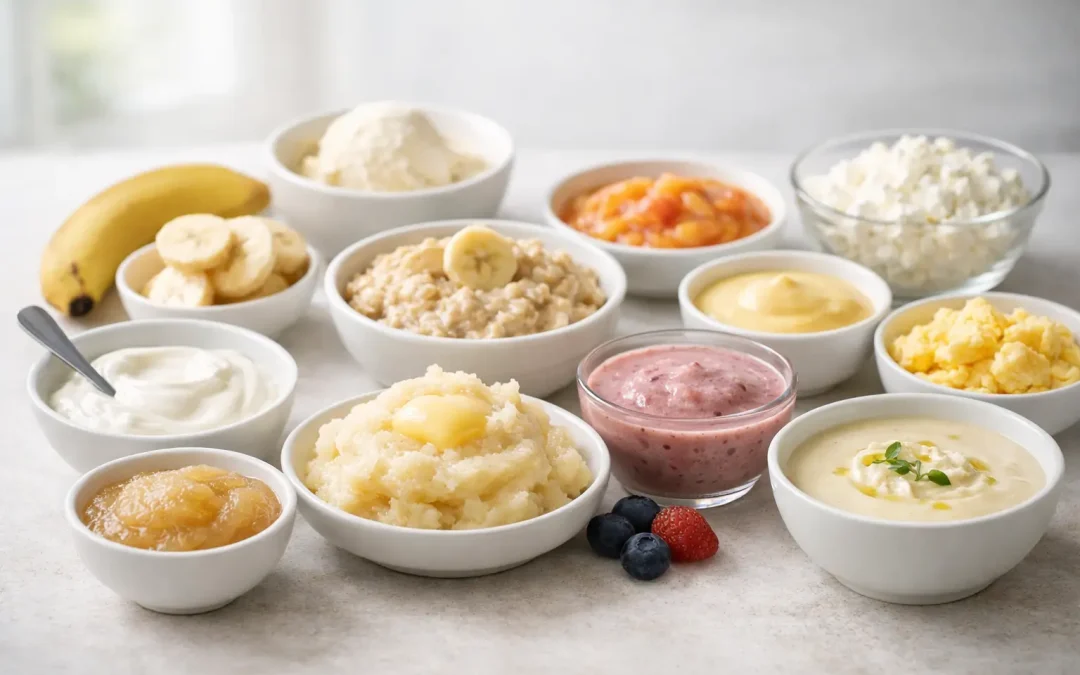
That first meal after wisdom tooth surgery can feel more complicated than expected. Your mouth may be numb, tender, and hard to open, yet your body needs fluids, protein, and energy to heal. Choosing the best foods after wisdom removal helps you stay comfortable without disturbing the protective blood clot forming in each extraction site.
For the first few days, think soft, smooth, cool or lukewarm, and easy to swallow. The goal is not to eat perfectly. It is to nourish yourself while giving the area time to settle. Your dentist’s individual instructions should always come first, particularly if your extraction was surgical or involved multiple wisdom teeth.
Why food choice matters after wisdom tooth removal
After a tooth is removed, a blood clot forms in the socket. This clot protects the bone and nerves underneath while new tissue begins to grow. Hard, sharp, crunchy, or sticky foods can irritate the wound. Strong suction from straws can also dislodge the clot and increase the risk of dry socket, a painful condition that needs prompt dental care.
You may also have swelling, jaw stiffness, or soreness that makes chewing difficult. Soft foods reduce pressure on the surgical area, while nourishing choices support your recovery. Eating small meals more often can be easier than trying to finish a full plate when your appetite is low.
Best foods after wisdom removal: day-by-day choices
The first 24 hours: cool, smooth, and gentle
Once the numbness starts to fade, begin with liquids and foods that require almost no chewing. Cool foods can feel soothing, but avoid anything ice-cold if it causes sensitivity. Sip water regularly from a cup, and choose plain options without seeds, crunchy toppings, or small pieces that could get caught near the extraction site.
Applesauce, smooth yogurt, pudding, gelatin, and blended soups that have cooled to lukewarm are usually comfortable choices. Mashed banana can also be easy to manage. If you choose a smoothie, eat it with a spoon rather than drinking through a straw. Keep it smooth and skip chia seeds, berries with tiny seeds, granola, and nuts.
Protein matters, especially if you have had several teeth removed. Greek yogurt, a smooth protein shake eaten with a spoon, or a well-blended meal replacement can help when solid food does not sound appealing. If dairy makes you feel nauseated after anesthesia or pain medication, choose dairy-free alternatives instead.
Days two and three: soft foods with more substance
As tenderness begins to improve, you can often add warmer, more filling foods. Keep them lukewarm rather than hot, since heat can increase bleeding or discomfort during the first day or two. Listen to your body. If chewing pulls at the extraction area, return to softer choices for another meal.
Soft scrambled eggs are a practical option because they provide protein without much chewing. Creamy oatmeal, grits, polenta, and soft porridge can work well once they have cooled. Mashed potatoes, mashed sweet potatoes, and pureed vegetables add variety and are easy to eat slowly.
Soups become more useful at this stage, as long as they are blended or very soft. A smooth pumpkin, tomato, potato, or lentil soup can be satisfying. Avoid soups with chunks of meat, rice, corn, beans, or crusty bread until you can chew comfortably. Tiny food particles can be troublesome if they settle near the healing socket.
Days four through seven: build back toward normal meals
By this point, many people can manage soft foods that need a little more chewing, though recovery differs from person to person. Pasta cooked until very tender, flaky fish, soft tofu, cottage cheese, and macaroni and cheese may be appropriate if they do not cause pain. Ripe avocado is another gentle, nutrient-rich choice.
You can also try well-cooked vegetables that mash easily with a fork, such as carrots, squash, zucchini, or cauliflower. Ground meat in a soft sauce may be manageable for some people, but do not rush it. Chew away from the extraction sites where possible and stop if you feel sharp pain, throbbing, or food becoming trapped.
Foods and habits to avoid while you heal
The foods to avoid are often just as important as the foods you choose. For at least the first week, stay away from crunchy foods such as chips, popcorn, crackers, toast, nuts, and hard candy. Their sharp edges can scrape tender tissue, and crumbs can lodge in the extraction area.
It is also wise to avoid chewy foods, including steak, jerky, bagels, gummy candy, and dense bread. Spicy or acidic foods may sting, while very hot drinks and meals can aggravate the site early in recovery. Small grains and seeds, such as rice, quinoa, sesame, and raspberry seeds, are best postponed until the socket has healed further.
Do not use straws, spit forcefully, or smoke or vape after surgery. These actions create suction or irritation that may disturb the clot. Alcohol should also be avoided, especially while you are taking prescribed pain medicine or antibiotics. If you are unsure whether a food is safe, choose the softer version or wait another day.
Make eating more comfortable
Take pain medicine exactly as directed by your dentist, ideally before discomfort becomes intense. If your medication should be taken with food, a few spoonfuls of yogurt, applesauce, or mashed potatoes may be enough to settle your stomach. Avoid chewing until the numbness has worn off so you do not accidentally bite your cheek, lip, or tongue.
Gentle hydration is equally important. Keep water nearby and take frequent small sips. Dehydration can make you feel more tired and can slow your return to normal eating. If your dentist has advised saltwater rinses, wait until the recommended time, often 24 hours after surgery, and let the water fall from your mouth rather than spitting hard.
After eating, follow your post-operative cleaning instructions carefully. You do not need to poke at the socket or try to remove every tiny trace of food yourself. Healing sites are delicate. If food repeatedly gets stuck, contact your dental team for advice on safe rinsing or irrigation.
When discomfort needs a call to the dentist
Some swelling, tenderness, minor bleeding, and limited jaw opening are expected after wisdom tooth removal. Most people begin to feel gradually better over several days. Pain that gets significantly worse after initially improving, especially around days three to five, can be a sign of dry socket.
Contact your dentist promptly if you have heavy bleeding that does not slow with firm gauze pressure, a fever, worsening swelling, a bad taste or pus, difficulty swallowing or breathing, or pain that is not controlled by your prescribed plan. You should also call if you cannot keep fluids down or are worried that something does not feel right.
Healing does not follow an identical schedule for everyone. Give yourself permission to keep meals simple, eat slowly, and move back to regular foods only when your mouth is ready. A few days of gentle choices now can make the rest of your recovery much more comfortable.