
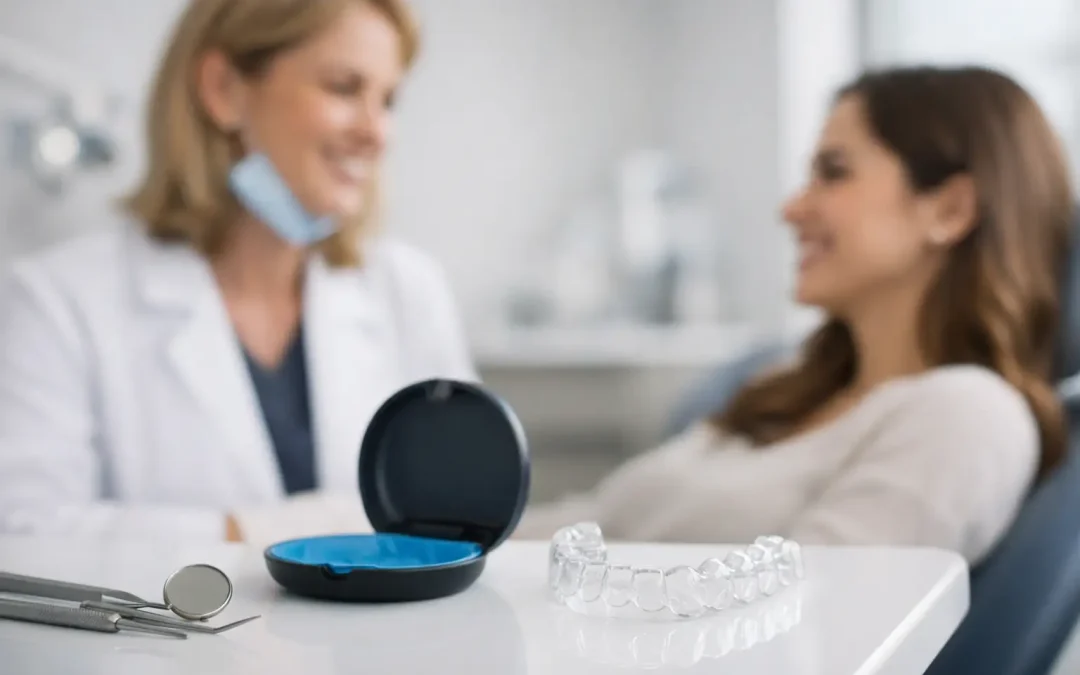
A straighter smile can feel like a meaningful change, but deciding how to get there should not feel rushed. Choosing an Invisalign dentist Melbourne patients can trust is about more than finding clear aligners. It is about receiving a careful assessment, honest advice about what treatment can achieve, and support that makes each step feel manageable.
Invisalign uses a series of clear, removable aligners to gradually move teeth into a planned position. For many adults and teens, the appeal is easy to understand: aligners are discreet, can be removed for meals and brushing, and often fit more comfortably into everyday life than fixed braces. Still, clear aligner treatment is a medical dental treatment, not a one-size-fits-all cosmetic product. The experience and planning behind it matter.
What an Invisalign dentist should assess first
A good consultation starts with your goals, but it should not end there. You may want to close a gap, straighten crowded front teeth, improve your bite, or simply feel less self-conscious when you smile. Your dentist should listen to those priorities while also examining the health and function of your teeth and gums.
Before treatment, your dentist may take digital scans, photos, and X-rays where appropriate. These records help assess tooth position, gum health, bone support, existing crowns or fillings, and the way your upper and lower teeth meet. Digital scanning can also make the planning process more comfortable than traditional impression materials for many patients.
This assessment is particularly important if you have gum disease, untreated tooth decay, tooth sensitivity, a history of jaw discomfort, or older dental work. These concerns do not automatically rule out Invisalign, but they may need to be treated or considered before orthodontic movement begins. Moving teeth is safest when the foundations are healthy.
Clear aligners can treat more than minor crowding
Invisalign can be an effective option for many common orthodontic concerns, including mild to moderate crowding, spacing, some bite problems, and relapse after previous braces. It can also be part of a wider cosmetic plan when someone is considering whitening, bonding, veneers, crowns, or replacement teeth.
However, not every case is equally suited to aligners. More complex bite issues, severely rotated teeth, significant skeletal differences, or cases requiring major tooth movement may be better treated with fixed braces, specialist orthodontic care, or a combined approach. A dependable dentist will explain that clearly rather than promising that clear aligners are the answer for everyone.
What treatment with an Invisalign dentist in Melbourne involves
Once you decide to proceed, your dentist uses digital records to create a detailed treatment plan. This plan maps the intended movement of your teeth and estimates the number of aligner stages needed. You may be shown a simulation of the proposed result, which can be helpful, but it is still a planned prediction. Teeth do not always move exactly as expected, and refinements are sometimes needed to achieve the best practical outcome.
Most patients wear their aligners for around 20 to 22 hours a day, removing them only for eating, drinking anything other than water, and cleaning their teeth. Each set is usually changed on a schedule set by your dentist. The exact treatment length varies. A small correction may take several months, while more involved treatment can take a year or longer.
Some cases require small tooth-colored attachments bonded to selected teeth. These attachments give the aligners a better grip so they can guide more precise movements. You may also need a small amount of enamel contouring between certain teeth to create space safely. Both are common parts of treatment, and your dentist should discuss them with you before they are carried out.
Regular reviews are still essential, even when aligners are worn at home most of the time. Your dentist checks that your teeth are tracking properly, monitors your oral health, and adjusts the plan if needed. These appointments are also a good opportunity to raise any concerns, whether an aligner feels unusually tight, an attachment has come off, or you are finding the routine difficult to maintain.
The daily commitment matters as much as the aligners
Clear aligners offer flexibility, but that flexibility comes with responsibility. Because they are removable, treatment relies on consistent wear. Taking aligners out frequently for snacks, coffee, social occasions, or long stretches of the day can slow progress and affect results.
Good cleaning habits are equally important. Brush and floss before putting aligners back in whenever possible, and rinse the aligners regularly. Trapping food particles and sugary drinks against the teeth can raise the risk of decay, gum irritation, and staining. If you are prone to cavities or have gum concerns, your dentist may recommend a preventive plan alongside aligner treatment.
There can be a short adjustment period when starting a new aligner. Pressure or tenderness is normal as teeth begin to move, especially for the first day or two of a new set. Aligners may also affect speech slightly at first, though most people adapt quickly. Persistent pain, sharp edges, or swelling should be discussed with your dental team rather than ignored.
Retainers protect the result you worked for
Straightening treatment does not end the day your final aligner comes out. Teeth naturally have a tendency to shift over time, which is why retainers are a vital part of maintaining your new smile. Your dentist will recommend a retainer schedule based on your individual needs, often including regular nighttime wear after an initial stabilization period.
Retainers are not an optional extra. They are the long-term protection for the time, effort, and cost you have invested in treatment. If a retainer is lost, broken, or no longer fits, arrange an appointment promptly. Acting early may prevent minor movement from becoming a larger concern.
Questions worth asking at your consultation
It is reasonable to want clarity before you commit. Ask what concerns Invisalign is expected to improve in your case, whether there are alternatives, and what limitations you should understand. You can also ask how long treatment is likely to take, how often reviews are needed, whether attachments or enamel contouring are likely, and what happens if refinements are required.
Cost should be discussed openly as well. Invisalign fees vary according to the complexity of the case, the number of aligners, the expected length of treatment, included review visits, and retainer arrangements. The lowest advertised price does not always reflect the full care involved. A written treatment plan with clear inclusions can help you compare options confidently. If managing payments is a concern, ask whether flexible payment options are available before treatment begins.
For anxious patients, the manner of care can be just as important as the clinical plan. Look for a dental team that welcomes questions, explains procedures in plain language, and avoids pressure. You should feel able to say when something is unclear or when you need more time to decide.
A healthy smile is the best starting point
Invisalign can be a rewarding choice for patients who want a more discreet way to straighten their teeth, but it works best as part of ongoing dental care. Routine checkups, professional cleanings, home hygiene, and timely treatment for decay or gum problems all help support a healthy result.
At Bulleen Dental, the focus is on patient-centered planning that considers your smile, bite, comfort, and long-term oral health. A thoughtful consultation can give you a realistic picture of what clear aligners may offer and whether they are the right fit for your life. The best next step is simply to have the conversation, ask the questions that matter to you, and choose care that feels clear, gentle, and well supported.