
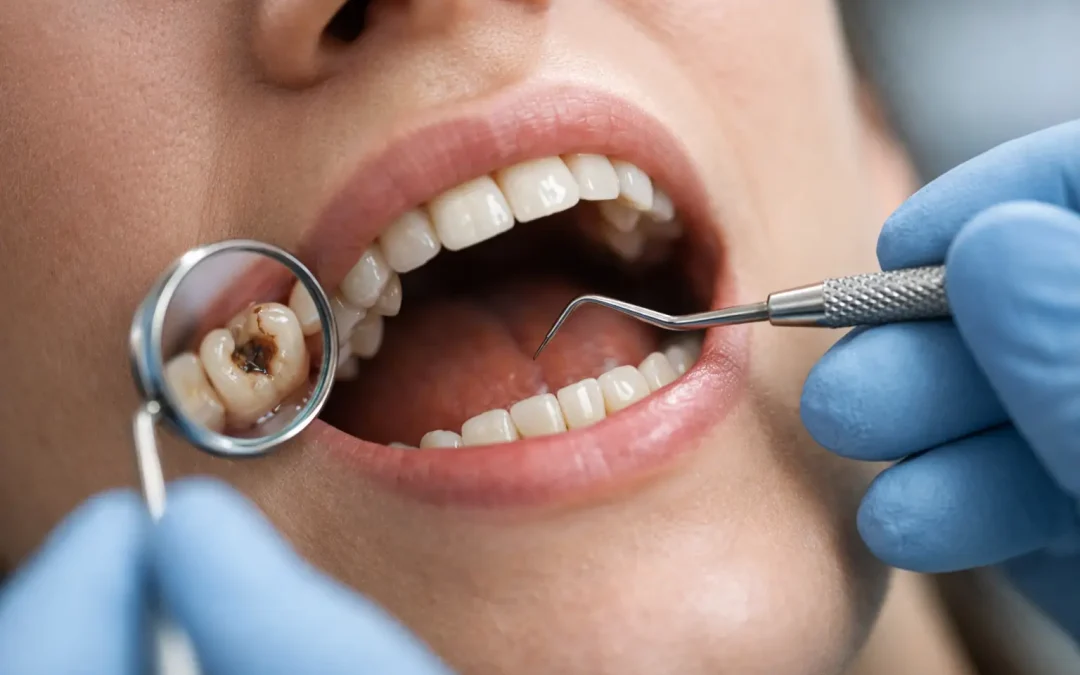
A tooth can begin to decay long before it causes a toothache. That is why noticing the early signs of tooth decay matters: a small change in color, sensitivity, or texture may be an opportunity to protect the tooth with simple preventive care rather than needing more extensive treatment later.
Tooth decay is very common, and it is not a sign that you have failed at brushing or caring for your family’s teeth. It develops when bacteria in plaque use sugars from food and drinks to create acids that weaken tooth enamel. Dry mouth, frequent snacking, certain medications, crowded teeth, and difficulty cleaning around dental work can all increase the risk. The encouraging news is that decay caught early can often be slowed or even reversed before a cavity forms.
Early Signs of Tooth Decay to Watch For
White, chalky spots on the teeth
One of the earliest visible changes can be a dull white or chalky-looking patch, often near the gumline or in the grooves of back teeth. This can indicate that minerals are being lost from the enamel. At this stage, the tooth surface may still be intact, so professional fluoride treatment, improved home care, and changes to eating or drinking habits may help strengthen it.
White spots do not always mean decay. They may also be related to enamel development or previous orthodontic treatment. A dental examination can determine what is causing the change and whether treatment is needed.
Sensitivity to cold, sweet, or hot foods
A brief twinge when you drink cold water, eat ice cream, or have something sweet may be an early warning sign. As enamel weakens, the tooth can become more reactive to temperature and sugar. Sensitivity may also happen with gum recession, worn enamel, a cracked tooth, or recent whitening, so it is worth having it checked rather than guessing.
Pay attention to patterns. Sensitivity that occurs in one particular tooth, becomes more frequent, or lingers after the cold or sweet item is gone deserves a prompt appointment.
Brown, gray, or black marks
Dark marks in the pits and grooves of molars can be staining, but they can also signal decay. A spot that looks dark is not automatically a cavity, and a tooth can have decay without looking dark at all. The important detail is whether the area feels soft, catches on floss, changes over time, or is accompanied by sensitivity.
Dentists use an examination and, when appropriate, dental X-rays to see whether a mark is harmless staining or decay developing beneath the surface. This is especially useful between teeth, where cavities are difficult to spot at home.
A rough spot, small pit, or floss that catches
Run your tongue over a tooth and it may feel slightly rough, chipped, or indented. You might also notice floss repeatedly shredding or catching between the same two teeth. These changes can happen when decay starts to break down enamel or when an old filling has a rough edge.
Do not try to pick at the spot with sharp objects. That can irritate the gums or damage the tooth further. Instead, make a note of where it is and mention it at your visit.
Mild discomfort when biting
Early decay is not always painful, but some people notice a fleeting ache when chewing on one side. This could be caused by a cavity, a small crack, a loose filling, gum inflammation, or food trapped between teeth. If discomfort is repeatable or you are avoiding a favorite food because of it, it is time to have the tooth assessed.
Why Tooth Decay Can Be Easy to Miss
Enamel has no nerves, so the first stage of decay may not hurt at all. Once decay reaches the softer layer beneath the enamel, called dentin, sensitivity is more likely. If it progresses to the pulp at the center of the tooth, pain can become severe and treatment may be more involved.
This is why regular checkups are valuable even when your mouth feels fine. A dentist can detect early changes around restorations, in deep grooves, and between teeth before they become obvious. For children, this matters particularly because newly erupted teeth can have deep grooves and may be harder to brush thoroughly.
What You Can Do at Home Now
If you have noticed a possible early sign, continue brushing twice a day with fluoride toothpaste and clean between your teeth once a day. Use a soft-bristled toothbrush and gentle pressure. Brushing harder does not remove decay and can wear away enamel or irritate the gums.
Try to reduce how often teeth are exposed to sugar and acid throughout the day. It is the repeated exposure that matters, not only the amount. Sipping sweet drinks, sports drinks, juice, or soda over several hours gives plaque bacteria more opportunities to produce acid. Water is a tooth-friendly choice between meals, and chewing sugar-free gum after eating may help stimulate saliva for some people.
It also helps to wait around 30 minutes after acidic foods or drinks before brushing. Acid temporarily softens enamel, and brushing immediately may contribute to wear. Rinse with water instead.
Home care is essential, but it cannot repair a hole in a tooth once a cavity has formed. Avoid relying on pain relief, whitening products, or online remedies to solve a persistent problem. They may mask symptoms while the underlying issue continues.
When to Book a Dental Appointment
A non-urgent appointment is appropriate if you notice new sensitivity, a visible spot, a rough area, or floss catching consistently. Early assessment gives you the widest range of options, which may include fluoride treatment, a protective sealant, monitoring, or a small filling if needed.
Book sooner if pain is worsening, keeps you awake, occurs without a clear trigger, or makes it difficult to chew. Swelling of the face or gums, fever, a bad taste with swelling, or trouble swallowing or breathing should be treated as urgent concerns. These symptoms can indicate infection and should not be left to settle on their own.
For anxious patients, delaying care is often about fear rather than neglect. A gentle, patient-centered appointment can begin with a conversation, an examination, and clear explanations of your options. At Bulleen Dental, the focus is on helping patients understand what is happening and choosing care at a pace that feels manageable.
Protecting Children’s Teeth Early
Children may not always describe dental sensitivity clearly. Watch for chewing on one side, avoiding cold foods, complaints at mealtimes, or visible white or brown marks. Parents should help young children brush until they have the coordination to do it thoroughly on their own, usually well beyond the preschool years.
Use a small, age-appropriate amount of fluoride toothpaste and encourage water as the usual drink between meals. Frequent grazing on crackers, dried fruit, sweet snacks, or juice can raise cavity risk, even when a child brushes regularly. Regular dental visits also help children become familiar with the dental chair in a calm, supportive setting.
A small spot or occasional sensitivity does not always mean a major dental problem. Still, it is easier to care for a tooth when changes are minor. If something about a tooth looks, feels, or responds differently, trust that observation and arrange a checkup. A timely visit can bring reassurance, practical advice, and often a much simpler path forward.