
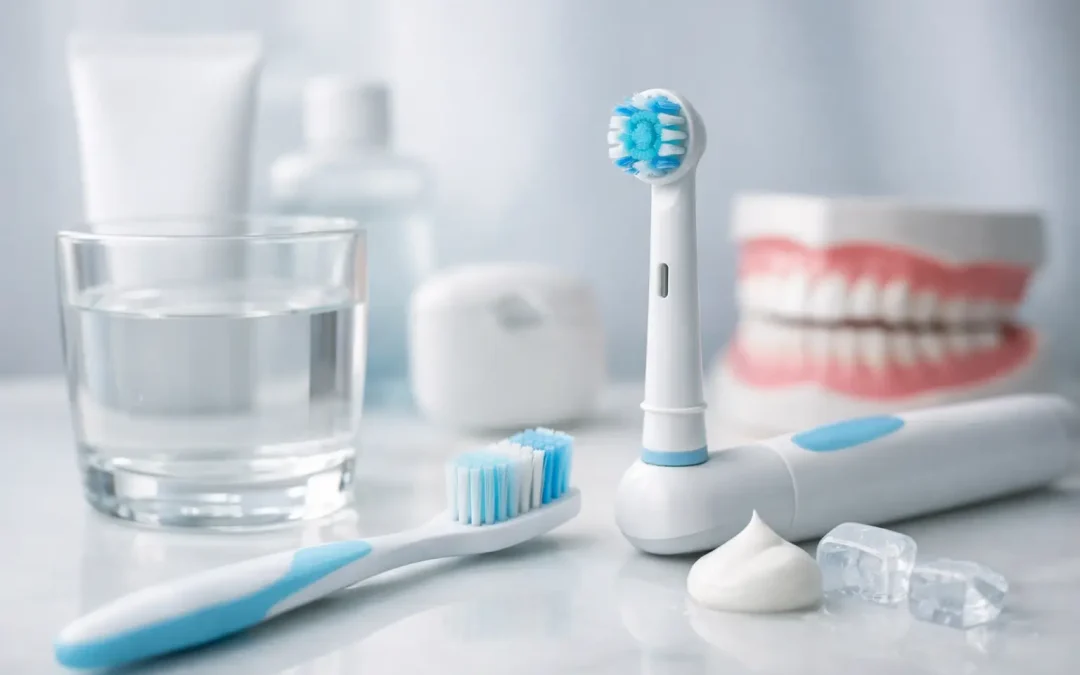
If your teeth sting when you brush, the problem is not always your toothpaste. Often, the best toothbrush for sensitive teeth is the one that cleans thoroughly without adding more pressure, friction, or irritation to enamel and gums.
That matters more than many people realize. People with sensitive teeth often try to brush carefully, but they may still be using a brush head that is too firm, too large, or too aggressive for their mouth. Others switch to a manual brush that feels gentler, when an electric model with the right settings might actually be easier on sore areas because it does the work for you.
What makes the best toothbrush for sensitive teeth?
The most helpful feature is simple: soft bristles. Not medium, not firm, and not “extra scrubbing.” Soft bristles flex more easily, which helps remove plaque along the gumline without wearing away enamel or irritating tender gums.
Brush head size matters too. A smaller brush head usually gives you better control, especially around the gumline, crowded teeth, and back molars. If a brush head is too bulky, people often angle it awkwardly or press harder just to feel like they are reaching everything.
Handle design can also make a difference. A comfortable grip helps reduce the urge to clamp down and scrub. For some people, a thicker or non-slip handle makes brushing feel more controlled and less tense.
If you prefer an electric toothbrush, look for a pressure sensor or a sensitive mode. These features are especially useful if you tend to brush hard without noticing. Many patients are surprised to learn that brushing harder does not mean brushing better. In fact, overbrushing is a common reason for gum recession and tooth sensitivity.
Manual or electric: which is better for sensitive teeth?
There is no single right answer for every mouth. Both manual and electric toothbrushes can work well, but the best choice depends on how you brush.
A manual toothbrush can be a very good option if you already use a light touch and have good technique. It is affordable, easy to replace, and simple to travel with. For many adults and children, a soft manual brush is all they need.
An electric toothbrush can be a better fit if you struggle with brushing too hard, rush through brushing, or find it hard to clean evenly. Oscillating or sonic brushes with soft heads can remove plaque effectively with less physical effort. That can be a real benefit if your gums are sore or your enamel is already worn.
The trade-off is that some electric brushes feel too intense at first, especially if your teeth are very sensitive to vibration or cold air. If that sounds familiar, start with the lowest setting and a soft or sensitive brush head. Give yourself a week or two to adjust before deciding it is not for you.
Features worth looking for
When comparing toothbrushes, it helps to ignore the flashy extras and focus on comfort and control.
Soft or extra-soft bristles are usually the first thing to prioritize. Some people assume extra-soft means less effective, but that is not necessarily true. A gentle brush used correctly for two full minutes can clean very well.
A pressure sensor is one of the most useful features on an electric brush. If the brush lights up, slows down, or vibrates differently when you press too hard, that immediate feedback can help protect sensitive teeth over time.
A built-in timer is helpful as well. Sensitive teeth do not need longer brushing. They need careful, thorough brushing. A timer keeps you from rushing, while also avoiding repeated scrubbing in one spot.
Sensitive brush heads, gum care heads, and compact heads can all be good choices depending on your mouth. If you have gum recession, dental work, or areas that feel sore after brushing, a compact soft head is often a safe place to start.
Signs your current toothbrush may be making sensitivity worse
Sometimes the toothbrush itself is not the full problem, but it can still be part of it. If your teeth or gums feel more tender after brushing, take that seriously.
Frayed bristles are a common clue. Once bristles bend outward, they stop cleaning well and can become rough on the gums. If your brush looks worn after only a few weeks, that may mean you are brushing too hard.
Another sign is bleeding or a burning feeling along the gumline every time you brush. Occasional bleeding can happen with gum inflammation, but if it is ongoing, your brushing method or brush type may need to change.
You may also notice notches near the gumline, increasing cold sensitivity, or gums that seem to be pulling back from the teeth. These changes can have several causes, including grinding and gum disease, but aggressive brushing is often part of the picture.
How to brush sensitive teeth without making them worse
Even the best toothbrush for sensitive teeth will not help much if the technique is too forceful.
Use a light grip rather than squeezing the handle tightly. Hold the brush at a slight angle toward the gumline and use small, gentle motions. If you are using an electric toothbrush, guide it slowly from tooth to tooth instead of scrubbing back and forth.
Try to let the bristles do the work. A good rule is this: if the bristles are flattening noticeably against the teeth, you are probably pressing too hard.
Brush for two minutes twice a day, and do not forget the gumline. Sensitive teeth still need plaque removal. Avoiding the sore spots completely can let inflammation build up, which often makes sensitivity feel worse.
It also helps to pair your toothbrush with a toothpaste made for sensitivity. Toothbrush and toothpaste work as a team. If either one is too harsh, you may not get the relief you want.
The best toothbrush for sensitive teeth can depend on the cause
Sensitivity is a symptom, not a diagnosis. That is why the “best” brush can vary from person to person.
If your sensitivity comes from gum recession, a soft brush with careful technique is usually essential. If the recession is getting worse, brushing changes alone may not be enough.
If your enamel is worn from acid erosion, whitening products, or heavy brushing, a gentle brush can help prevent more damage, but you may also need advice on diet, grinding, or products to strengthen and protect the tooth surface.
If you have sensitivity after dental treatment, a softer brush head may feel more comfortable for a few days while the area settles. But if the pain is sharp, lingering, or limited to one tooth, it is worth getting checked. A cracked tooth, cavity, or gum issue will not be fixed by changing toothbrushes.
Children and teens can have sensitivity too, especially if they brush hard or are learning technique. In those cases, a soft-bristled brush with a small head is usually the best starting point. Parents often focus on getting kids to brush longer, but pressure and technique matter just as much.
When to ask a dentist for help
If you have switched to a softer toothbrush and your teeth still hurt, do not just keep experimenting on your own. Sensitivity that lasts, spreads, or gets stronger deserves a closer look.
A dentist can check for enamel wear, gum recession, cavities, grinding, exposed roots, or bite issues. Sometimes patients assume they need a different toothbrush when the real issue is a cracked filling or untreated decay. Clear answers can save you time, discomfort, and a lot of trial and error.
At a family-focused practice like Bulleen Dental, this kind of conversation is usually straightforward. A gentle exam can help you figure out whether your sensitivity is mostly about home care, or whether there is something else going on that needs treatment.
A simple way to choose
If you want the most practical starting point, choose a soft-bristled toothbrush with a small head and use the gentlest pressure that still feels controlled. If you tend to scrub, an electric brush with a pressure sensor and sensitive mode is often worth considering.
You do not need the most expensive brush on the shelf. You need one that helps you clean consistently without irritating your teeth or gums. Comfort matters because a toothbrush that feels harsh is one people avoid using properly.
If brushing has become something you dread, that is a sign to make a change. The right toothbrush should leave your mouth feeling clean, not sore, and that small shift can make daily care much easier to stick with.