
If you are weighing tooth replacement options, one of the first questions you will probably ask is, are dental implants permanent? The short answer is that dental implants are designed to be a long-term solution, and in many cases the implant post itself can last for decades. But that does not mean every part of the treatment lasts forever without maintenance.
That distinction matters. Many patients hear the word permanent and assume implants are a one-time fix with no future care, repairs, or checkups. In reality, implants are highly durable and often the closest option we have to replacing a natural tooth, but their long-term success still depends on your oral health, the quality of the supporting bone, and how well they are looked after over time.
Are dental implants permanent in the way people expect?
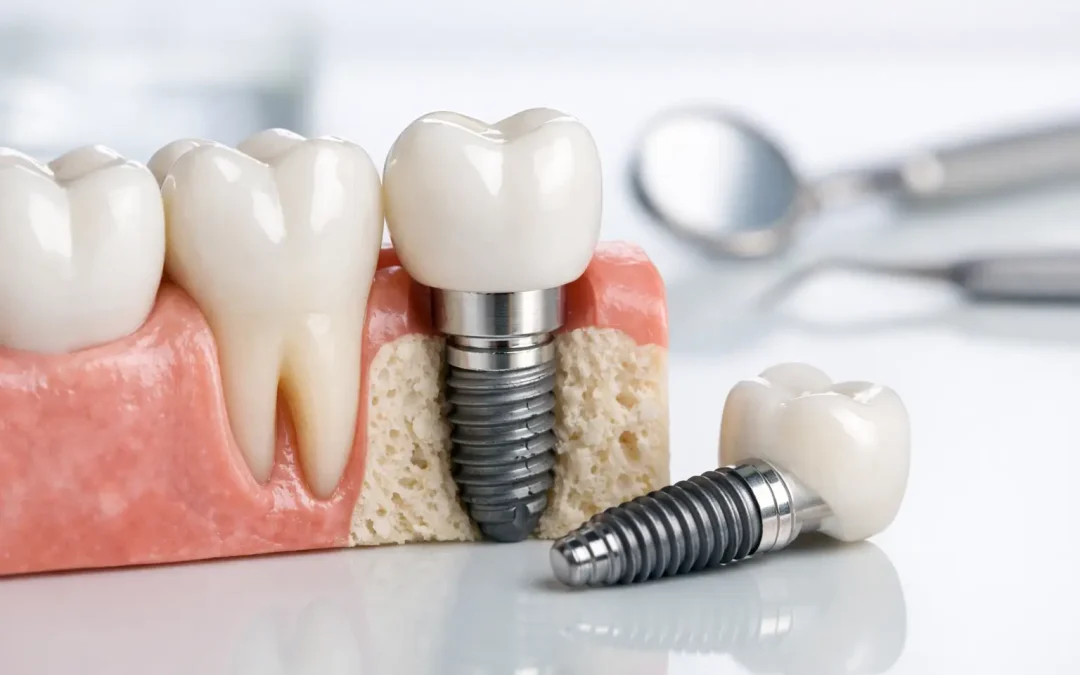
Dental implants are placed into the jawbone and act like artificial tooth roots. Once they heal, they support a crown, bridge, or denture. The titanium implant itself is built to integrate with bone, which is why it feels far more stable than a removable option.
In practical terms, the implant post can be considered a permanent part of the mouth if it heals properly and stays healthy. However, the visible tooth on top, usually the crown, is not always permanent in the same way. Crowns can wear down, chip, loosen, or need replacement after many years of normal use.
So the better answer is this: dental implants are intended to be a long-lasting solution, and the implant fixture may last for life, but the full restoration may still need maintenance or replacement at some stage.
What part of a dental implant lasts the longest?
It helps to separate the implant into parts. The post placed in the bone is usually the longest-lasting component. This is the part most likely to remain stable for decades if the bone and gums stay healthy.
The abutment, which connects the implant post to the replacement tooth, can also last a long time. The crown is usually the part most likely to need attention first because it handles everyday biting and chewing forces.
This does not mean something has gone wrong if a crown needs replacement after years of use. In many cases, that is normal wear rather than failure. Much like a filling or a natural tooth can show wear over time, implant restorations can also need upkeep.
How long do dental implants usually last?
Many dental implants last 20 years or more, and some last a lifetime. Success rates are generally very high, especially when treatment is well planned and patients keep up with home care and professional checkups.
Still, there is no single timeline that applies to everyone. A healthy non-smoker with good oral hygiene and strong bone support may keep an implant in excellent condition for decades. Someone with uncontrolled gum disease, diabetes that is not well managed, or heavy smoking habits may face more complications.
This is why good dentists avoid blanket promises. Implants are reliable, but they are not indestructible.
What can make a dental implant fail?
Most implant problems are linked to either healing issues early on or inflammation around the implant later. Early failure can happen if the implant does not properly bond with the bone. Late failure is more often related to infection, bone loss, or overload from grinding and clenching.
A few common risk factors include poor oral hygiene, smoking, untreated gum disease, uncontrolled medical conditions, and skipping routine dental visits. Teeth grinding can also place extra pressure on both natural teeth and implants, especially at night when many people do not realize they are doing it.
Placement matters too. An implant needs enough healthy bone and careful planning. If bone volume is limited, additional treatment such as bone grafting may be recommended to improve long-term support.
Are dental implants more permanent than bridges or dentures?
In many cases, yes. Traditional bridges and dentures can work very well, but they do not function in exactly the same way as an implant.
A bridge relies on neighboring teeth for support, which means those teeth may need to be reshaped. Dentures sit on top of the gums and can become loose over time as the jawbone changes. Implants, by contrast, are anchored into the bone, which gives them a more stable feel and can help preserve bone in the area of the missing tooth.
That said, the best option depends on your needs. Some patients are excellent candidates for implants, while others may be better served by a bridge or denture because of health history, budget, treatment timeline, or bone availability. A good treatment plan should be based on what is safest and most predictable for you, not just what sounds most permanent.
What do you need to do to help implants last?
Even though implants cannot get cavities, the gums and bone around them can still become unhealthy. That is why daily care matters just as much after implant treatment as it does for natural teeth.
Brushing twice a day, cleaning between the teeth, and attending regular dental visits all play a big role. Your dentist may recommend specific tools, such as interdental brushes or water flossing, depending on the type of implant restoration you have.
If you smoke, reducing or quitting can improve your chances of long-term success. If you grind your teeth, a custom night guard may help protect both implants and natural teeth from excess pressure. Small preventive steps often make a big difference over the years.
Can dental implants ever need repair or replacement?
Yes, and this is where expectations should stay realistic. The implant post may remain stable, but the crown may eventually need replacement because of wear, damage, or changes in your bite. In some cases, screws can loosen or surrounding gum tissue may need treatment.
If an implant develops infection or bone loss, early treatment is important. Problems caught early are often easier to manage than issues left alone. That is another reason routine checkups matter, even when everything feels fine.
For nervous patients, this is often reassuring to hear: maintenance does not mean failure. It simply means implants, like any dental restoration, benefit from ongoing care.
Who is a good candidate for long-lasting dental implants?
The best candidates usually have healthy gums, enough jawbone to support the implant, and a commitment to oral hygiene. Age alone is not usually the deciding factor. Many adults of different ages do very well with implants if their oral and general health are suitable.
What matters more is the condition of the mouth and whether any existing issues are under control. If there is gum disease, significant bone loss, or a damaged tooth that has been left too long, those problems may need to be addressed first.
This is where a personalized assessment becomes important. At a patient-centered clinic like Bulleen Dental, treatment planning should include clear explanations, a discussion of alternatives, and honest guidance about what will give you the most stable result over time.
Are dental implants worth it if they are not guaranteed forever?
For many patients, yes. Even though no dental treatment comes with a lifetime guarantee, implants are still one of the most durable and natural-feeling options for replacing missing teeth. They can restore chewing function, support speech, and help maintain the shape of the jawbone better than some alternatives.
They also offer something many patients care deeply about: confidence. A secure replacement tooth that does not slip or move can make everyday eating, talking, and smiling feel easier again.
The key is going in with the right expectations. Implants are not magic, and they are not maintenance-free. But when they are well planned, carefully placed, and properly cared for, they can provide many years of comfort and reliability.
If you have been asking, are dental implants permanent, the most honest answer is that they are built to last and often do for a very long time, but their success depends on the health of the whole mouth, not just the implant itself. The best next step is not chasing a perfect promise. It is getting clear, personalized advice so you can choose a solution that feels right for your health, your comfort, and your future.