
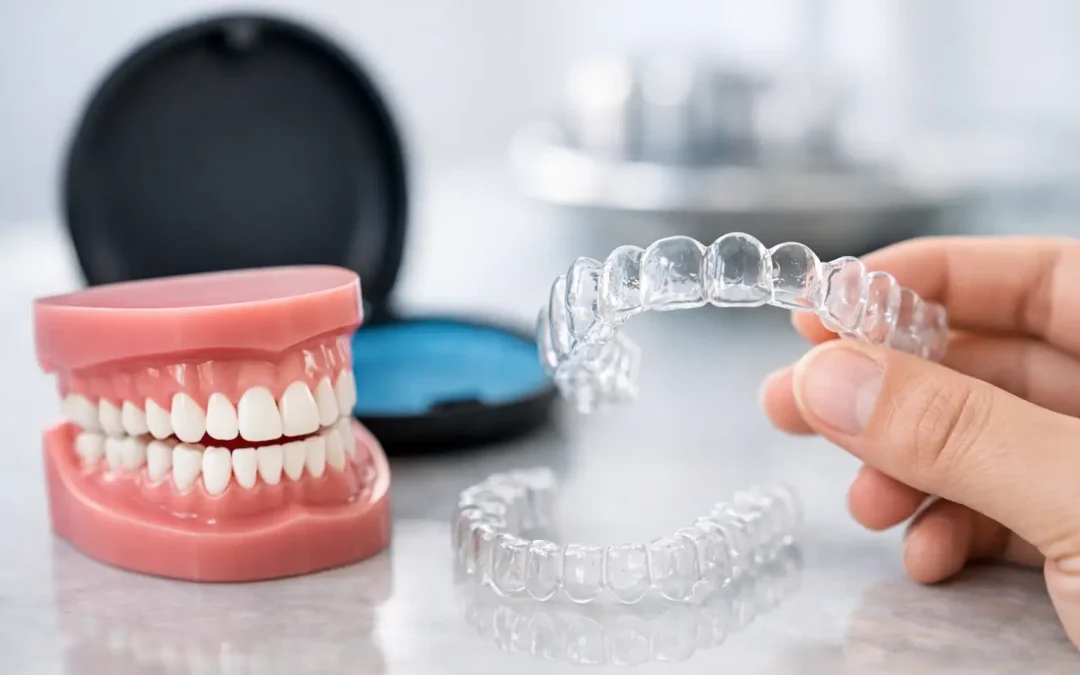
A lot of adults and teens ask the same thing before starting treatment: how does Invisalign work, and is it really enough to straighten teeth without brackets and wires? It is a fair question, especially if you want a straighter smile but do not love the look or feel of traditional braces. The short answer is that Invisalign uses a series of custom-made clear aligners to gently shift your teeth over time, but the real value is in how carefully that movement is planned and monitored.
For many patients, the appeal is simple. The aligners are removable, discreet, and generally easier to fit into everyday life. That said, Invisalign is still orthodontic treatment. It works well because it follows a precise process, and the best results usually come from wearing the aligners as instructed and keeping up with check-ins.
How does Invisalign work from start to finish?
Invisalign treatment begins with a consultation. At this visit, your dentist examines your teeth, bite, gums, and overall oral health to see whether clear aligners are a good option for you. Not every smile needs the same kind of correction, so this stage matters. Mild crowding, spacing, and many bite issues can often be treated very successfully with Invisalign, while some more complex cases may need a different approach.
If Invisalign is suitable, digital scans or impressions are taken to create a detailed model of your teeth. This allows your dentist to map out a treatment plan that shows how each tooth is expected to move and what the final result should look like. From that plan, a series of custom clear aligners is made. Each set is slightly different from the last, and each one is designed to move certain teeth by a small amount.
You wear each aligner for about one to two weeks, depending on your treatment plan. As you move through the series, your teeth gradually shift into better alignment. It is controlled, step-by-step movement rather than one big change all at once.
What actually moves your teeth?
The aligners look simple, but they are carefully engineered. Each tray applies gentle, targeted pressure to specific teeth. Bone around the tooth responds to this pressure over time, which allows the tooth to move into a new position. This is the same basic biological principle behind braces, but the force is delivered through snug-fitting plastic aligners instead of metal brackets and wires.
In some cases, small tooth-colored attachments are placed on certain teeth. These tiny shapes help the aligners grip more effectively and create more precise movement. Patients are sometimes surprised by this part because they expected the aligners to be completely attachment-free, but these additions can make a big difference in the outcome.
Some people may also need a little space created between teeth through a very minor process called interproximal reduction. This sounds more dramatic than it usually is. It simply means polishing a tiny amount of enamel from between selected teeth to help them move into better alignment. If it is recommended, your dentist should explain exactly why.
What wearing Invisalign is really like
Invisalign fits best into daily life when you understand the routine from the beginning. The aligners should usually be worn for 20 to 22 hours a day. That means you take them out to eat, drink anything other than water, brush, and floss, then put them back in.
That flexibility is one of the biggest advantages. You can eat the foods you normally enjoy without worrying about brackets or broken wires. Brushing and flossing are usually more straightforward too, which many adults appreciate.
Still, removable does not mean optional. If aligners are left out too often, teeth may not track as planned. That can delay treatment or affect the result. Invisalign tends to work very well for patients who are consistent, but it depends on wearing the trays properly.
Most patients notice pressure or mild soreness for the first day or two after changing to a new aligner. That is usually a sign that the tray is doing its job. It is often described as tight rather than painful, and it tends to settle quickly.
How long does Invisalign take?
This is one of the most common questions, and the honest answer is that it depends. Some patients finish in as little as six months for minor adjustments, while others need 12 to 18 months or longer for more involved movement.
The timeline depends on several factors, including how crowded or spaced the teeth are, whether the bite needs correction, how predictably the teeth move, and how faithfully the aligners are worn. A simple cosmetic case will usually move faster than a case involving bite changes or significant crowding.
Your dentist will usually give you an estimated timeline at the planning stage, but that estimate can shift if aligners are not worn enough or if refinements are needed. Refinements are extra aligners made to fine-tune the result after the initial series. They are common and not usually a sign that anything has gone wrong. They are simply part of getting a more accurate finish.
Who is a good candidate for Invisalign?
Invisalign can be an excellent option for teens and adults who want a more discreet orthodontic treatment. It is often used for crowded teeth, gaps, mild to moderate bite issues, and relapse after previous braces. If your teeth have shifted since childhood orthodontic treatment, clear aligners may be a practical way to correct that.
Good candidates also tend to be comfortable with responsibility. Because the aligners are removable, success depends on daily habits. If someone is likely to forget them, lose them, or leave them out for long periods, braces may actually be the more reliable choice.
Healthy gums and teeth matter too. Any untreated cavities or gum disease should usually be addressed before Invisalign begins. Straightening teeth is easier and safer when the mouth is healthy to start with.
Invisalign vs braces
Many patients are deciding between these two treatments, not just asking how does Invisalign work. Braces are fixed in place, which means there is less room for user error. They can also be the better choice for certain complex movements. Invisalign, on the other hand, offers a more subtle appearance and the convenience of removing the trays for meals and oral hygiene.
For working adults, people in customer-facing roles, and teens who feel self-conscious about metal braces, Invisalign is often appealing for aesthetic reasons alone. But appearance is not the only factor. Comfort, convenience, and cleaning are also major reasons patients choose it.
There are trade-offs. Braces keep working around the clock because they cannot be removed. Invisalign only works when it is being worn. That is why a clear explanation and realistic expectations matter. The best option is not the one that sounds easiest. It is the one that suits your teeth, your goals, and your lifestyle.
What about cost?
The cost of Invisalign varies depending on the complexity of your case and how long treatment is expected to take. In many practices, the price is comparable to braces, though it can be higher or lower depending on the situation.
It is worth looking beyond the headline number. What matters is whether the treatment plan is tailored to your needs, whether follow-up care is included, and whether payment options are available. For many families and working adults, flexible payment arrangements can make treatment much easier to manage.
Tips for getting the best result
A smooth Invisalign experience usually comes down to consistency. Wear the aligners for the recommended hours, switch to new trays on schedule, and attend your review visits. Keep the aligners clean and always store them safely when they are out of your mouth.
It also helps to be realistic. Invisalign is discreet, but it is still active treatment. You may speak a little differently for the first day or two, and you may feel pressure when changing trays. Those small adjustments are normal.
If something feels off, the tray is not fitting properly, or you have concerns about progress, speak up early. Clear communication makes treatment easier and helps avoid small issues becoming larger ones.
Life after Invisalign
Once treatment is complete, retainers are usually the next step. This part is easy to overlook because patients are excited to be finished, but retention is what helps protect the result. Teeth can shift back over time, especially in the first months after treatment.
Your dentist will explain how often to wear your retainer and for how long. Following that advice is just as important as wearing the aligners during treatment. Straightening teeth takes planning and commitment. Keeping them straight does too.
At Bulleen Dental, we often find that patients feel much more confident about Invisalign once the process is explained clearly. If you have been curious but unsure, the best first step is simply to ask questions and get advice based on your own smile. A treatment that feels comfortable, manageable, and well understood is usually the one people stick with, and that is where good results begin.